


BAMAKO, Mali, July 28, 2023 -/African Media Agency (AMA)/-Recurrent droughts have altered the characteristics and composition of Mali’s vegetation. Pastoralists and agro-pastoralists that are typically found in the arid and semiarid areas in the north, where rainfall is less than 400 mm per year, are especially vulnerable to the impact of climate shocks. Considering Mali’s bouts of recurrent drought, floods, and locust invasions in recent years and their major economic and social impacts, the latest World Bank Economic Update on Mali provides keen insights into this climate shock.
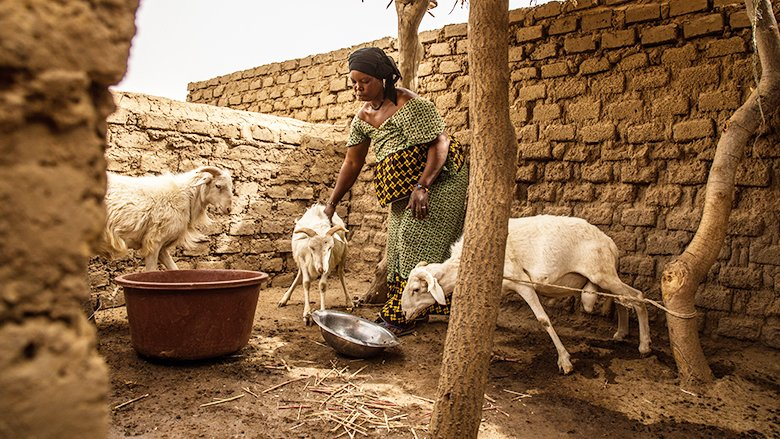
The 2023 Economic Update for Mali notes that droughts are adversely affecting the livestock sector, one of the most important economic sectors in Mali and the region. Livestock farming accounts for 40% of the GDP of the primary sector and about 15% of national GDP, is a source of livelihood for 85% of farmers, and generates income for approximately 30% of the population (roughly six million persons). In addition, Mali has the second largest herd in the ECOWAS region after Nigeria with 60.1 million head of cattle in 2019.
According to the study, Mali experienced at least 40 major climate shocks between 1970 and 2020. For example, drought is estimated to have affected approximately 400,000 persons each year and led to $9.5 million in lost earnings from crops annually. Locust infestations in 1985-1988 and 2003-2005 destroyed millions of hectares of crops, but their impact on the populations was not measured.
In terms of negative impacts, the report notes that droughts can also lead to conflict or exacerbate existing ones whenever pastoralists move into regions such as cropping areas and rangeland being used by others. The rise in jihadist insurgencies since 2017 has increased ethnic tensions and violence, particularly in the central regions, and further heightened the vulnerability of pastoralists. The loss of productive assets and looting related to violence and security incidents have disrupted markets and household livelihoods in the affected areas.
To cope with the effects of droughts, pastoralists have had to flee their drought-stricken villages in search of other water sources and pastures. The World Bank report also notes that while mobility is an effective strategy used by pastoralists to protect their assets, especially during droughts, it can induce conflicts with farmers in sedentary agricultural production systems. The report further states that in many cases, pastoralists often opt for the quick sale of their animals at low prices to buy food as their main coping strategy. This is a detrimental approach, as it depletes key assets that are difficult to recover once droughts have ended, thereby making households even more vulnerable to the next drought.
In response, the report calls for the establishment of instruments to protect such key sectors as pastoralism and agriculture, thus suggesting that it is possible to “strengthen [the country’s] financial resilience to drought.” The introduction of such disaster risk financing and insurance instruments could reduce the adverse socioeconomic impacts of climate shocks and provide timely and targeted financing in response to or in anticipation of a shock. According to the World Bank study, about 15% of Mali’s land area is ideally suited to index-based disaster risk financing and insurance (IBDRFI) for pastoralists, while an additional 10% could be deemed suitable after further analysis.
With respect to the country’s macroeconomic outlook, the report indicates that Mali achieved resilient GDP growth despite multiple shocks in 2022, including ECOWAS sanctions, food inflation, and parasite infestations affecting cotton production. An estimated GDP growth rate of 1.8% is supported by the recovery of food agriculture and the resilience of the gold and telecommunications sectors. Average annual inflation increased to 9.7% in 2022, driven primarily by rising food costs.
Distributed by African Media Agency (AMA) on behalf of The World Bank
The post Mali: Strengthening Financial Resilience to Recurrent Droughts appeared first on African Media Agency.