

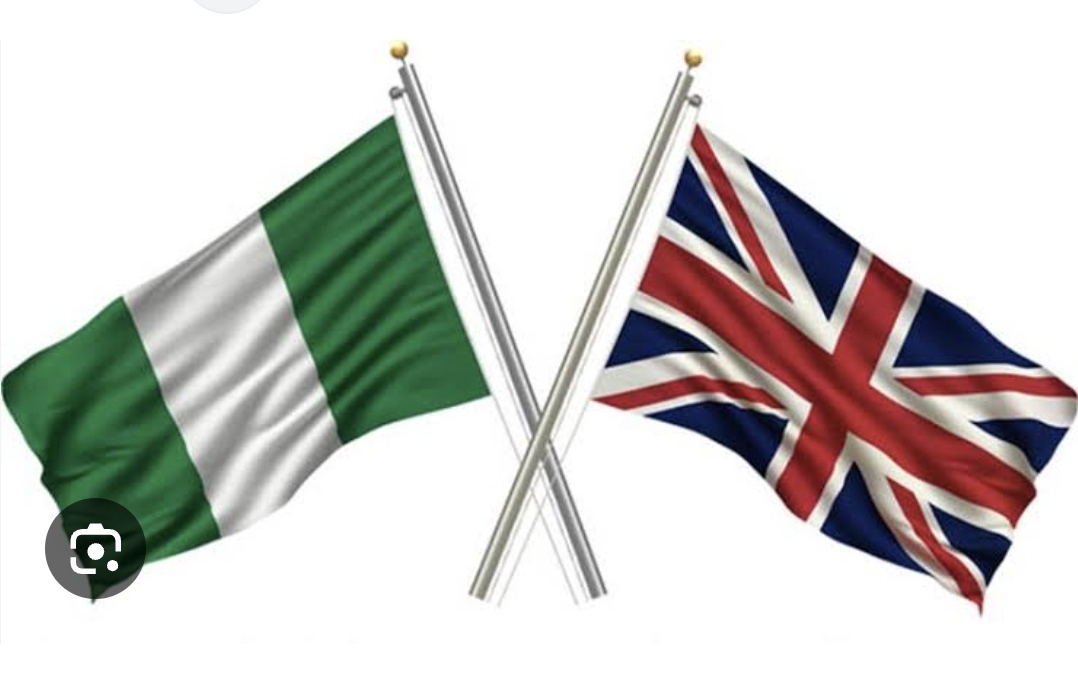
The United Kingdom is seeing what looks like a historic reset of its political system, with the Labour Party taking a heavy electoral hit and smaller parties gaining ground in a way that could cement a genuine multiparty landscape.
The result is being read as a rare act of voter-led accountability in a hitherto two-party stronghold.
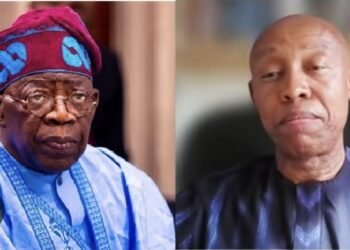
For Nigeria, the contrary seems to be happening as the opposition is accusing the Tinubu administration of steering the country towards one-party dominance with alleged sponsored crisis in the opposition camps.
The analysts say Britain’s latest political upheaval may have reduced the ruling Labour to its worst showing in decades and opened space for a broader array of parties to shape parliament.
Consequently, they argue that it’s the kind of shake-up that signals voters still believe the system can punish failure and reward alternatives.
However, the mood seems different in Africa’s most populous country typified by defections, party mergers, and muted internal dissent, for which critics argue the government is consolidating power rather than expanding competition.
They further argue that the contrast is hard to ignore given President Tinubu’s recent overtures to the UK, which many Nigerians view as at odds, at least, before the current development, with their own demand for a more open political field.
The divergence raises a question for Abuja of how much legitimacy does a “special relationship” carry when the model at home appears to be moving in the opposite direction.
Expressing optimism in the future of Nigeria, the analysts see the punishment meted out to the ruling Labour Party as suggestive of the fact that institutional accountability still carries weight at the ballot box.
But, British Prime Minister Keir Starmer vowed on Friday to stay in office to “deliver change” after his party suffered heavy losses in local elections that deepened doubts over his ability to govern.
Just under two years after winning a landslide national election, Starmer saw voters punish his Labour government, dealing it a blow in some of its traditional strongholds in former industrial regions in central and northern England.
The main beneficiary was the populist Reform UK party of Brexit campaigner Nigel Farage, which gained more than 400 council seats in England, and could form the main opposition in Scotland and Wales to the pro-independence Scottish National Party and Plaid Cymru in results later on Friday.
Early results underscored the fracturing of Britain’s traditional two-party system, with the once-dominant Labour and Conservative parties losing votes not only to Reform, but to the left-wing Green Party at the other end of the political spectrum, and to nationalists in Scotland and Wales.
I AM NOT GOING TO WALK AWAY, SAYS STARMER
Despite the losses, Starmer’s allies signalled their support for a man whose popularity ratings have sunk to among the worst for any British leader.
“I am not going to walk away,” he told reporters in Ealing, west London, a rare bright spot where Labour retained control of the council.
READ ALSO:Katsina Governor Alleges Moles In Govt, Security Agencies, Communities Aiding Bandits
To Labour activists, he showed a moment of contrition when he said he took full responsibility for the losses and admitted his government had made some “unnecessary mistakes” including failing to offer hope to Britain when the party took power in 2024, preferring to focus on the challenges ahead.
But he argued voters were more frustrated with the pace of change than with his government, and vowed to set out “the steps that we will take to deliver the change that they want and that they deserve”.
In what seemed to be a nod to the latest government reset, Starmer said he would double down on efforts to tackle a cost-of-living crisis compounded by conflicts in Ukraine and Iran.
That message seemed to cheer investors. Sterling strengthened against the U.S. dollar and British government borrowing costs fell – outperforming against U.S. and German debt.
But even for Starmer, there was no denying the scale of the losses for Labour in elections for 136 local councils in England, and the devolved parliaments in Scotland and Wales – the most significant test of public opinion before the next general election due in 2029.
Some Labour lawmakers had said if the party performs poorly in Scotland, loses power in Wales, and fails to hold many of the roughly 2,500 council seats it is defending in England then Starmer would face renewed pressure to quit or at least set out a timetable for his departure.
Defence minister John Healey said the last thing voters wanted was “the potential chaos of a leadership election” and that he believed the British leader could still deliver.
INSURGENT PARTIES FRACTURE TWO-PARTY SYSTEM
It might be a struggle for Starmer to turn things around with Labour losing control of a swathe of councils, responsible for services ranging from adult social care to rubbish collection, and prospective nationalist governments in Scotland and Wales.
The party lost control of the council of Tameside in Greater Manchester in northern England for the first time in almost 50 years and in nearby Wigan, which it has controlled for more than 50 years, Labour lost all of its 20 seats to Reform.
Reform also took control of a London borough for the first time, winning 30 of the 43 council seats in Havering, in the east of Britain’s capital, while the Greens won the mayoralty of traditionally Labour-supporting Hackney in east London.
While incumbent governments often struggle in midterm elections, pollsters forecast that Labour could lose the most council seats since 1995.
The Reform UK party added 414 council seats in England in early results. Labour lost 263 seats and the Conservative Party was down 182 seats.
Most of the results — including for the Scottish and Welsh elections — are due to be declared later on Friday.
Despite winning a large majority in 2024, Starmer’s time in office has been marked by several attempts to reset his agenda, policy U-turns, a rotating cast of advisers and scandal over the appointment of Peter Mandelson as Britain’s ambassador to the United States.
Any move to oust him might not be imminent. Two frontrunners to succeed him if he goes – Greater Manchester mayor Andy Burnham and former Deputy Prime Minister Angela Rayner – are not yet in positions to mount leadership bids, and other rivals seem unwilling to move against him for now.