

Despite generous tax waivers by the Nigerian government, electricity shortages dim have continued to dim the country’s ambitious electric vehicles (EVs) project.
Specifically, Nigeria approved tax waivers for nearly 4,000 electric vehicles in the first half of this year, government data showed, as authorities push to accelerate nascent EV adoption despite chronic electricity shortages.
The approvals reviewed by Reuters are the first under a new government programme aimed at promoting cleaner transport through tax incentives and local assembly programmes.
Nigeria’s government is aiming to significantly ramp up electric vehicle uptake, with its 2022 Energy Transition Plan projecting that EVs will make up 60% of its vehicle fleet by 2050.
That would be a huge increase from current levels. While official data is not available, EVs now likely account for less than 1% of the total vehicle fleet in Africa’s most populous country, dealers say, equivalent to only a few tens of thousands of vehicles on its roads.
Power Sector Struggles To Keep UP With Demand
Nigeria exempted EVs from value-added tax in 2024 and cut import duties to zero this year from 5%. Higher fuel costs following the removal of a petrol subsidy in 2023 meanwhile have boosted interest in electric motorcycles, cars and buses.
Yet the economics of operating EVs remain closely tied to Nigeria’s troubled power sector, with a 4,000-megawatt grid serving more than 200 million people, one of the lowest levels of per-capita power availability among major economies.
That leaves households and businesses in Nigeria heavily reliant on diesel and petrol generators.
That dependence has spilled into the EV ecosystem, with charging stations, dealerships and battery-swapping operators relying on backup generators when grid power fails.
“If we wait for electricity to become perfect before adopting EVs, the rest of the world will leave us behind,” said Bolanle Boboye, an executive at Saglev, Nigeria’s first electric vehicle manufacturer, which is affiliated with China’s Dongfeng.
“Even when EVs are charged using diesel-generated electricity, they can still help reduce overall emissions.”
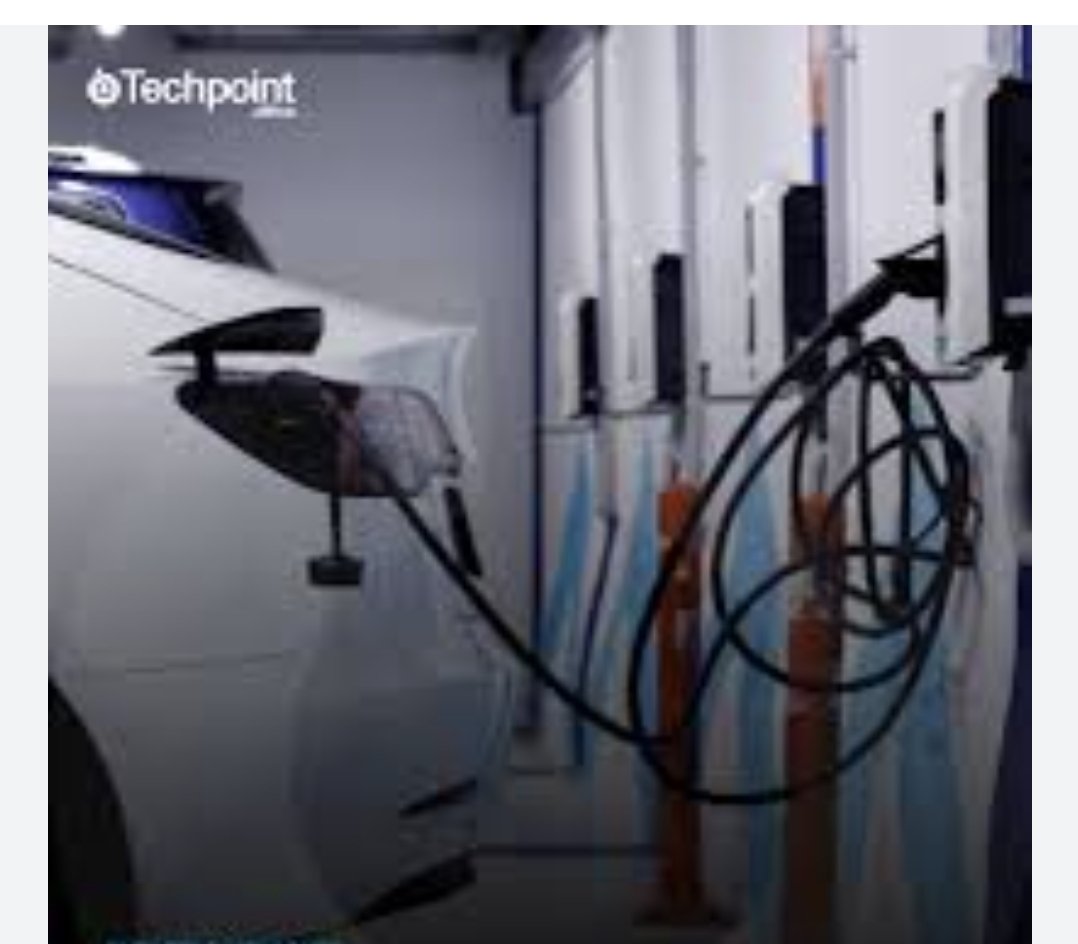
Public charging infrastructure remains limited, with about 48 public EV charging stations as of late 2025, according to a policy brief seen by Reuters, mostly in Lagos and Abuja, compared with more than 500 in South Africa.
READ ALSO:Again, Adeleke Accuses Oyetola Of Using Federal Might To Intimidate Osun Voters
The brief noted that the energy transition plan also projected about 60 charging stations by 2030, highlighting both the industry’s infancy and the infrastructure challenges to scaling it.
To compensate, many EV owners charge at home using portable cables plugged into household outlets rather than public charging stations.
Nigerians Choosing Range Extenders, Electric Bikes
Unreliable electricity is also shaping vehicle choices. Boboye said extended-range EVs — which combine battery power with a small fuel-powered range extender — have driven a doubling in sales this year by helping drivers overcome charging constraints.
Other automakers are making similar adjustments, with Chinese brands such as BYD and Geely expanding their presence with hybrid and electric models that industry executives say are better suited to unreliable power supplies.
Geely’s local partner, Tim Motors, said new-energy vehicles, including EVs and hybrids, account for about 2% of their vehicle sales in Nigeria.
“Nigeria is one of the largest car markets in Africa, but it is dominated by second-hand vehicles. We want to change that,” said Leon Zhan, head of Tim Motors.
Analysts say for now motorcycles and three-wheelers offer the clearest near-term path to electrification, with fuel savings delivering immediate gains for household incomes.
Nigeria has more than 15 million motorcycles on its roads, and riders have been among the groups hardest hit by rising fuel prices since the removal of the petrol subsidy.
Stanley Nwankwo, co-founder of Donda X Limited, an electric mobility startup, said electric motorcycles and tricycles have cut two-thirds of operating costs compared with petrol-powered alternatives.
Mobility start-ups MAX and Spiro are betting on that demand by investing in battery-swapping networks that enable riders to exchange depleted batteries within minutes rather than waiting for recharging. The model also helps reduce dependence on a fragile electricity grid.