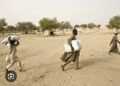


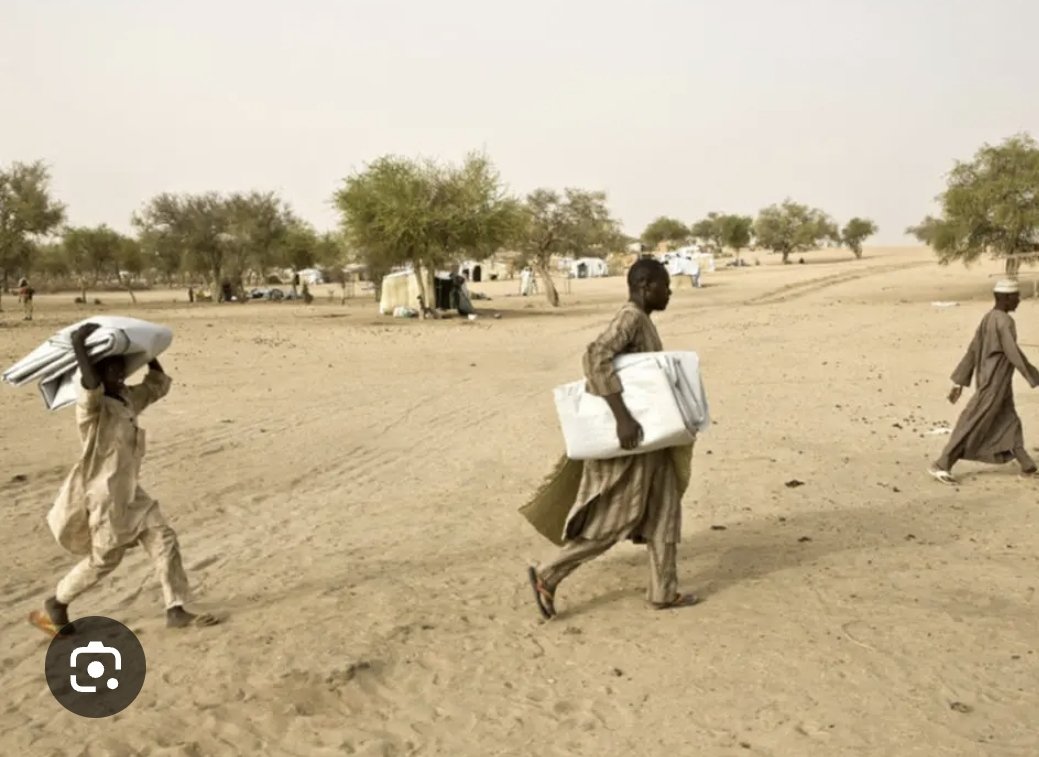
Nearly 64,000 people have fled northern Nigeria for neighbouring Niger this year, escaping attacks by Islamist militants and armed gangs and adding to mounting humanitarian needs in one of the world’s poorest countries, the UN refugee agency said.
The UN High Commissioner for Refugees (UNHCR), acxording to Reuters said the influx is stretching resources in Niger, which already hosts more than 500,000 refugees and asylum-seekers, including about 327,500 Nigerians. Several hundred Nigerians have also sought refuge in Benin.
Most of the new arrivals have settled in the border regions of Diffa and Tahoua. More than 23,000 people, over two-thirds of them children, have reached Diffa alone since the start of the year, UNHCR said.
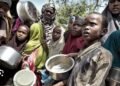
“Thousands of newly arrived refugees, many of them children, are struggling to survive with limited access to food, clean water, shelter and essential services, as humanitarian resources fall critically short,” UNHCR spokesperson Dominique Hyde said in a statement on Tuesday.
READ ALSO:Dangote Cement Shelves London Listing, Blames Market Conditions
Many families live in makeshift shelters, while women often walk several kilometres each day to fetch water, she said.
The growing exodus underscores the wider regional impact of violence in northern Nigeria, where attacks by Boko Haram, Islamic State West Africa Province (ISWAP) fighters and criminal gangs have uprooted millions of people over the past decade.
Aid agencies have reported rising malnutrition, respiratory infections and poor sanitation among new arrivals.
Protection concerns are growing as well. Only about 5% of refugees in Niger who arrived this year have been formally registered, leaving many without the documentation needed to access aid and public services.
Hyde said insecurity and climate-related pressures were worsening humanitarian needs, noting that more than 70% of Niger’s reported security incidents this year occurred in the Diffa region.
UNHCR is seeking $11.4 million to expand its response in Niger, Nigeria and Benin, warning that thousands of displaced families could be left without basic assistance unless additional funding is secured.