


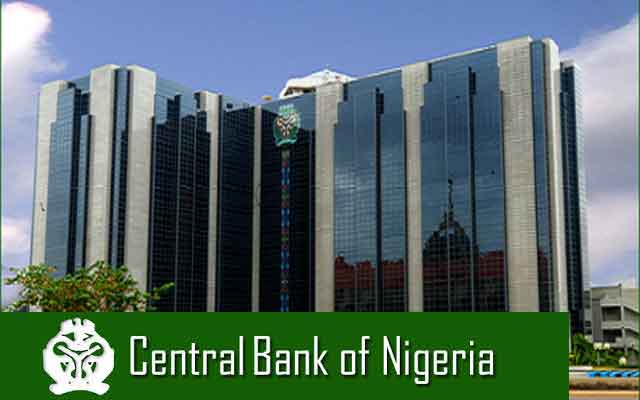
The Central Bank of Nigeria (CBN) on Tuesday cut its benchmark Monetary Policy Rate (MPR) by 350 basis points to 23 percent from 26.5 percent, following the 307th meeting of the Monetary Policy Committee (MPC) in Abuja.
The decision, the largest single cut since the COVID-19 easing in 2020, comes as headline inflation slowed to 15.39 percent in August and food inflation eased to 19.57 percent from 20.31 percent, according to the nation’s Statistics Bureau, (NBS).
The cut, announced by CBN Governor Olayemi Cardoso, ends a two-year tightening cycle that saw the MPR rise from 11.5 percent to a peak of 27.5 percent, and signals the apex bank’s pivot to supporting growth ahead of heightened pre-election spending.
Immeduste Possible Impact:
Some analysts say prime lending rate, particularly for borrowers and SMEs should drop from ∼30-32% to 26-28% in coming weeks. Also, the cost of working capital for traders who stock rice, pepper, frozen chicken should equally drop.
However, they were quick to observe that banks will still price risk high because CRR remains 45% as they have little room to lend.
They also observe that, it could be a dangerous timing managing liquidity, as broad money M3 is already N138.78trn in July, up N5.52trn MoM, while FAAC is injecting N2.3-3.0trn monthly.
For instance, banks bid N8.62trn for N2trn OMO in August, an indication of high liquidity in the system.
READ ALSO:FG Threatens Lagos Coastal Highway Shutdown Over Safety Breaches
The cut reduces incentive to keep cash in SDF, leaving the N4.89trn parked in SDF on Sept 16 to chase T-bills, stocks, FX as well as food markets.
MPC’s own members warned “pre-election fiscal expansion could undermine disinflation.”
Already the US Fed official Musalem told Reuters Sept 21 US may need more hikes, policy rate 3.75-4.00% is “accommodative”, PCE at 3.7%.
If US hikes while Nigeria cuts, rate differential narrows from 22.75% to 19%, hence capital may exit OMO, naira at N1,331/$ comes under pressure and the imported food cost rises.
While banks may be bullish in their stocks for consumer goods, cement, agriculture and cheaper debt, savers’ real rate now 7.6% (23% – 15.39%) vs 11.11% before, though still positive, but lower.
CBN retains banks’ cash reserve requirements
While reducing the MPR, the MPC retained the Cash Reserve Requirement for the different categories of banks and public sector deposits.
The CRR determines the portion of deposits banks are required to keep as reserves with the CBN.
The committee maintained the following requirements:
Deposit Money Banks will continue to maintain a CRR of 45%.
Merchant Banks will retain a CRR of 16%.
The CRR on non-TSA public sector deposits remains at 75%.
The committee also recalibrated the Standing Facilities Corridor to +50/-300 basis points around the new 23% MPR.
This places the Standing Lending Facility at 23.5% and the Standing Deposit Facility at 20%.
The corridor adjustment aligns the standing facilities with the revised policy rate and is intended to guide short-term money market rates.
The unchanged CRR means banks will continue to maintain the specified reserve levels even as the benchmark interest rate is reduced.