

Geneva, Switzerland, 17 September 2026- /African Media Agency (AMA)/ – Dementia is increasingly becoming a major public health challenge in Africa, with an estimated 1.9 million people currently living with the condition across the region. The number is expected to rise significantly as populations grow and life expectancy increases. Beyond its health impact, dementia places a heavy economic burden on families and societies, costing an estimated US$15.6 billion annually in the African Region. Much of this burden falls on unpaid caregivers, predominantly women and family members, who spend an average of 12.9 hours per day providing care, far exceeding the global average of 7.8 hours.
Despite the growing burden, dementia remains underdiagnosed and receives limited attention within health systems.
As of 2024, none of the 47 countries in the WHO African Region had a national dementia plan, either as a standalone framework or integrated into broader health strategies. Only five countries had conducted public awareness campaigns on dementia, while seven were implementing activities aimed at reducing dementia risk.
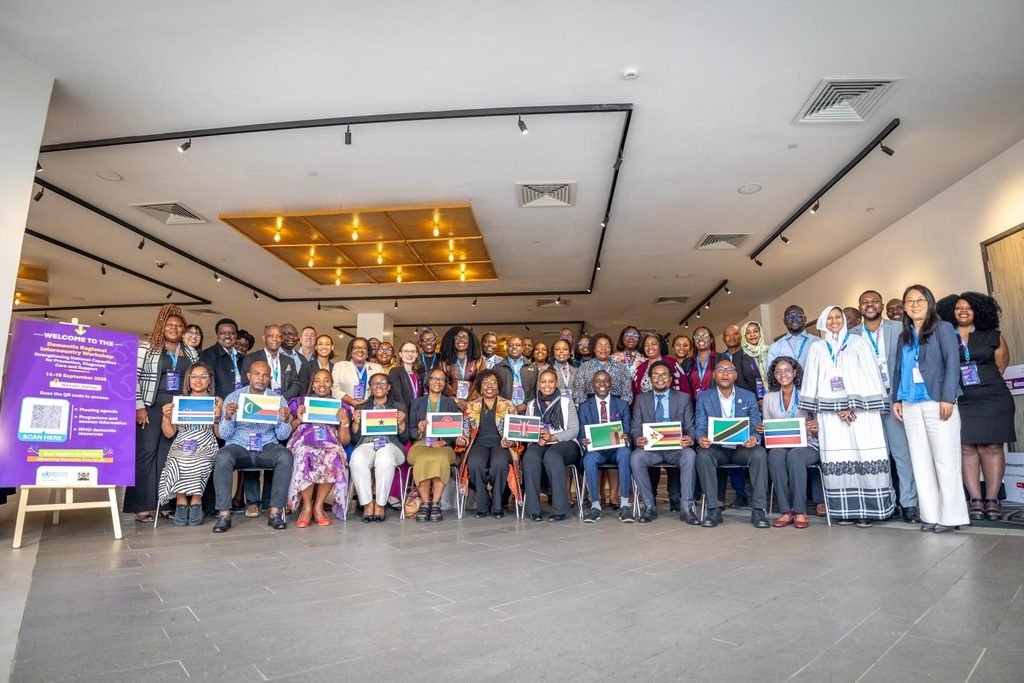
Against this backdrop, health leaders from 10 African countries met to discuss priority actions to advance national efforts to prevent dementia, improve diagnosis and expand access to care and support.
Meeting in Nairobi from 14-16 September for the 2026 Regional Intercountry Workshop on Dementia, convened by the WHO Regional Office for Africa, the experts from Cabo Verde, Comoros, Gabon, The Gambia, Ghana, Kenya, Malawi, the United Republic of Tanzania, Zambia and Zimbabwe discussed practical actions to strengthen national dementia response. While countries are at different stages of developing national dementia responses, the workshop provided a platform for the participating countries to identify common priorities for advancing action. These included addressing stigma and discrimination, improving dementia risk reduction, building health worker capacity for early diagnosis, treatment and care, integrating dementia services into primary health care, supporting carers, reinforcing data and surveillance systems, and promoting locally relevant research.
“Dementia is a public health priority for Africa. As the number of people affected continues to grow, countries need guidance, tools and data to act. This workshop is an important step towards building capacity in the Region for dementia prevention, care and support and reinforcing the collective response,” said Dr Benido Impouma, Director of the Health Promotion, Disease Prevention and Control Cluster at the WHO Regional Office for Africa.
The meeting brought together health professionals, people with lived experience, carers, civil society organizations, development partners and academic institutions. The experts diverse perspectives helped identify gaps in existing dementia responses and practical ways to develop and adapt policies and services to meet the needs of people living with dementia and their families. Discussions focused on strengthening pathways for early detection, diagnosis and referral, integrating dementia care into essential health service packages, and expanding training for health and social care workers. Participants also emphasized the importance of coordinated person-centred services that provide sustained support throughout the progression of the condition.
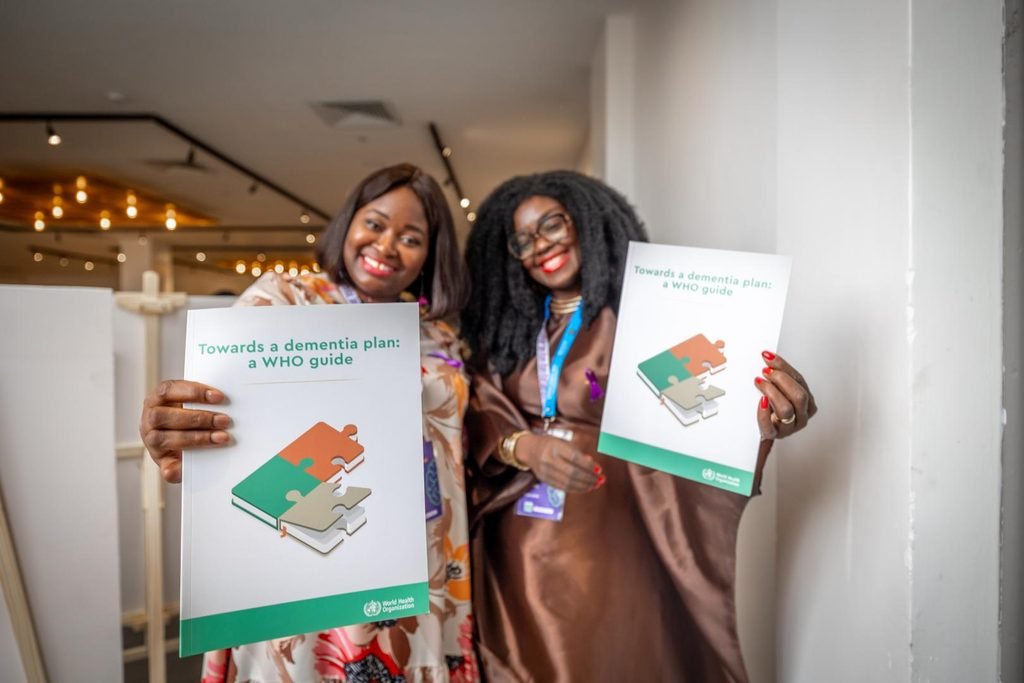
Public awareness and community engagement were identified as essential to tackling the stigma and discrimination surrounding dementia. People living with dementia and carers shared experiences, helping to ensure that the proposed measures reflected their needs and priorities.
Reliable information was also highlighted as critical for planning and monitoring national responses. As of 2024, only 10 countries in the Region reported dementia data to WHO. Discussions highlighted the need to improve dementia surveillance, strengthen the collection and use of disaggregated data, and promote research that reflects local contexts. Delegates will continue to use national assessments conducted prior to the intercountry meeting and the priorities discussed during the workshop to refine roadmaps that will guide the development or revision of dementia policies and plans.
To sustain momentum and collaboration beyond the workshop, attendees established a community of practice on dementia for the African Region. This platform will enable countries, exchange good practices, support peer learning and collaborate in addressing common challenges related to dementia.
“This workshop must translate into concrete action at country level. Our priority is to ensure that dementia is recognized early that people can access quality care and support, and that families are not left to face it alone,” said Dr Catherine Wanjiku Waweru, Focal Person for Intersectoral Global Action Plan on Epilepsy and Other Neurological Disorders, Ministry of Health, Kenya.
Distributed by African Media Agency (AMA) on behalf of World Health Organisation.
The post Strengthening dementia care in the African Region appeared first on African Media Agency.