


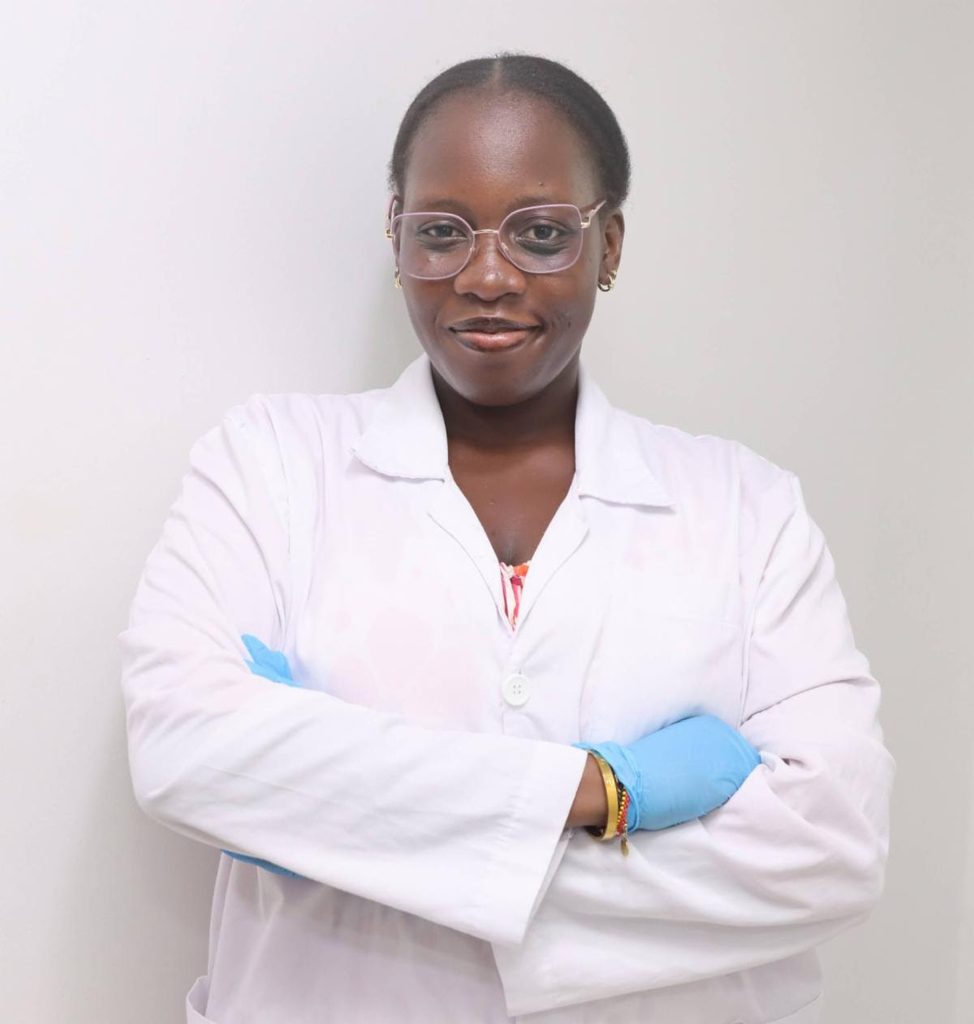
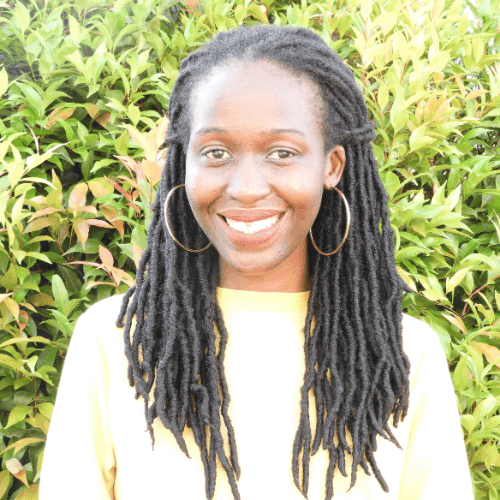
Kampala, Uganda, 14 July 2026 -/African Media Agency(AMA)/ – When most people think of a scientist, they picture someone working quietly in a laboratory. But according to a new generation of African researchers at the Ugandan Virus Research Institute, solving some of the continent’s biggest challenges requires far more than technical expertise.
Ahead of World Youth Skills Day on 15 July, scientists from Target Malaria’s Young Scientists Network are highlighting the changing face of science, where communication, collaboration, leadership, and community engagement have become just as important as scientific knowledge.
As Africa continues to strengthen its scientific research capacity, these young professionals say today’s scientists must be able to move confidently between laboratories, communities, policymakers, and international research collaborations.
“Science is very collaborative,” says Ashley Birungi, a laboratory scientist with Target Malaria Uganda. “People often imagine scientists working alone in laboratories, but today’s science involves teamwork, communication, engagement with communities, and learning from experts across different fields.”
For Rita Mwima, a Statistics and GIS Officer, one of the most valuable skills has been learning to make complex science understandable.
“The one skill people don’t expect us to have is explaining deep science simply, so even a layperson can follow it and care about the work,” she says. “I’m intentional about being a scientist who makes science easy to understand.”
That ability to communicate has become increasingly important as scientific research addresses complex public health challenges such as malaria, where researchers work alongside multiple stakeholders throughout the research process.
The young scientists also say professional growth comes from developing confidence alongside technical expertise.
Working with experienced researchers taught Rita how to contribute her own knowledge with confidence, while laboratory scientist Ashley says paying attention to the smallest details has strengthened both her scientific work and her everyday problem-solving skills.
For Aisha Nakitende Nanfuka, an Insectary Assistant, success begins with consistency, curiosity, and a willingness to keep learning. “Africa needs passionate, innovative young scientists to develop solutions to the challenges facing our communities.”
Their experiences reflect a broader shift taking place across scientific careers, where researchers are expected not only to generate knowledge but to also communicate it.
When asked what the future of African science looks like, all three young scientists share a common vision: one where African scientists are leading research that addresses local challenges while contributing solutions with global impact.
As Target Malaria invests in developing its next generation of scientific leaders in Africa today, tomorrow’s breakthroughs will depend on the diverse skills they develop along the way.
Distributed by African Media Agency (AMA) on behalf of Target Malaria
About Target Malaria
Target Malaria is a not-for-profit research consortium that aims to develop and share new, cost-effective and sustainable genetic technologies to modify mosquitoes and reduce malaria transmission. Our vision is to contribute to a world free of malaria. We aim to achieve excellence in all areas of our work, creating a path for responsible research and development of genetic technologies, such as gene drive. www.targetmalaria.org.
Target Malaria receives core funding by the Gates Foundation and Coefficient Giving (formerly Open Philanthropy). The lead grantee organisation is Imperial College London with partners in Africa, Europe and North America.
Follow Target Malaria on Facebook, X, LinkedIn and YouTube.
Follow Target Malaria Uganda on Facebook.
The post Scientists need more than laboratory skills to tackle Africa’s biggest health challenges appeared first on African Media Agency.