

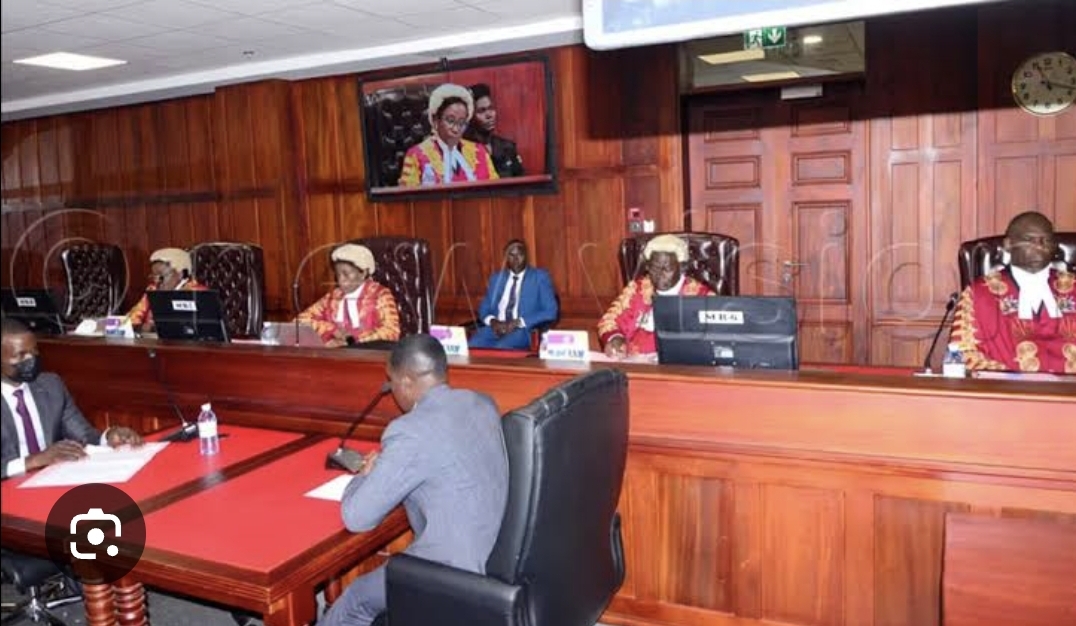
The Uganda Bar Association has directed its members to stop bowing to judges and discontinue the use of colonial-era honorifics in courts.
The directive, which took effect immediately, was contained in an executive order issued on Tuesday and signed by Isaac Ssemakadde, president of the bar.
The order was issued to coincide with Saba Saba Day, which commemorates resistance against authoritarianism in East Africa.
READ ALS:Oil Surges, Stocks Tumble As Trump Declares Iran MOU ‘Over’
In the statement, the bar association said Uganda’s judiciary is suffering from executive interference, prolonged delays in dispensing justice, judicial corruption, selective justice, and attacks on lawyers.
It also accused the military of undermining judicial independence through unlawful arrests, court invasions, detention of civilians, obstruction of lawyers and journalists, and the trial of civilians before military tribunals.
The association argued that these problems have been sustained by what it described as an outdated colonial court culture that places judicial officers above citizens through compulsory displays of deference.
Under the directive, lawyers are prohibited from bowing or engaging in any other form of physical subservience before judicial officers.
The association also abolished the use of titles including “My Lord”, “Your Lordship”, “My Lady”, “Your Ladyship”, and “Your Worship”.
Instead, members were directed to address judicial officers as “Mr. Justice” or “Madam Justice” for appellate court judges, “Mr. Judge” or “Madam Judge” for High Court judges, and “Mr. Magistrate” or “Madam Magistrate” for magistrates.
They may also address judicial officers by their surnames where appropriate.
The bar further directed lawyers and litigants to “stand upright and speak as free citizens”, saying members should no longer observe court rituals that subject citizens to humiliation while elevating public officials.
As part of the reforms, the association announced plans to begin a nationwide consultation within 90 days to review judicial dress, language and courtroom practices.
The consultation will examine the continued use of colonial wigs, gowns and foreign-language requirements, with a view to adopting alternatives that better reflect Uganda’s history, climate and culture.
It will also review the judiciary’s client charter to ensure it is written in plain language and guarantees citizens’ rights to respect, timely service, access to information and effective redress.