

The Nigeria Governors’ Forum has proposed a N100,000 monthly minimum wage for workers, less than eight months before the 2027 presidential election.
The proposal, announced without prior negotiation with labour unions, has prompted questions from analysts about its funding, implementation, and timing.
Some analysts say the timing raises questions about funding and intent, as many states still struggle to pay the current N70,000 wage on time, despite huge monthly allocations, adding, without a clear funding plan, the new figure may not be implemented nationwide.
If adopted, it would replace the current N70,000 national minimum wage signed into law in 2024. The forum did not provide a timeline for when states would begin implementation or how lower-income states would fund the increase.
Curiously, the NGF said the N100,000 figure was reached after reviewing the current economic realities and states’ fiscal capacity.
Economists say last night that the proposal could affect federal and state budgets, inflation expectations, and monetary policy coordination. States that already struggle to pay salaries under the current wage may require additional federal support. Analysts note that without a clear funding plan, the proposal risks remaining unimplemented in several states, despite most of the states being controlled by the ruling All Progressives Congress, (APC).
On the other hand, should the federal government force itself into backstoping states that may not be able pay, it risks monetizing deficits, undermining the CBN’s tightening stance. That’s why analysts say the proposal puts CBN’s policy credibility at risk, even if the bank itself isn’t the one making the wage offer.
Besides they observe that labour unions have historically driven wage reviews through negotiations and industrial actions, wondering the absence of their input, further fueling suspicions.
Labour unions have traditionally negotiated minimum wage adjustments with the federal government and state authorities through the tripartite committee process. The absence of union participation in this proposal has raised concerns about its acceptance and durability. Union officials have not issued a formal response as of press time.
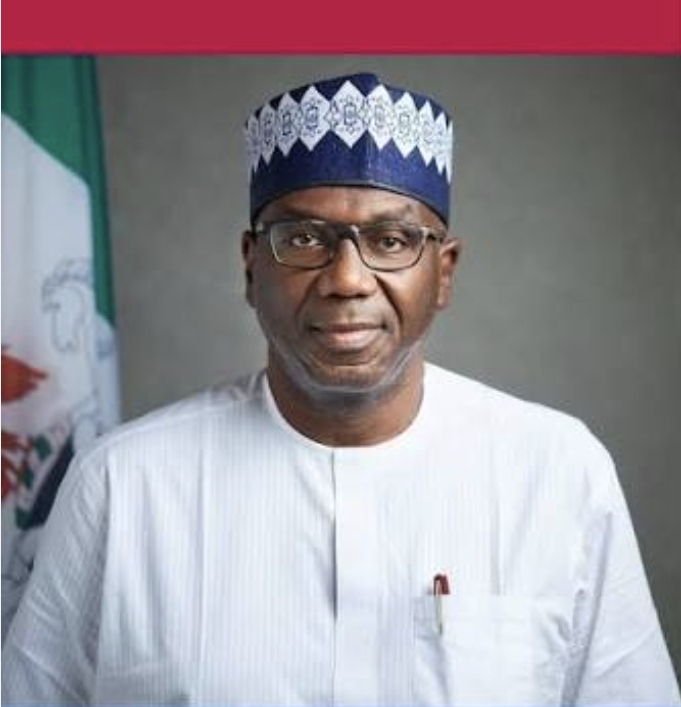
But, Governor of Kwara State, AbdulRahman AbdulRazaq, who is also the Chairman of the Nigeria Governors’ Forum, made the development known in a post shared by the state government on Facebook on Saturday, saying the proposal was informed by the rising cost of living, persistent inflation, and the growing financial pressure on workers nationwide.
READ ALSO:Protest Rocks Ibadan Over Kidnapped Teachers, Schoolchildren As FG, Oyo Biker Over State Police
According to AbdulRazaq, state governments acknowledge the urgent need to improve workers’ welfare in line with prevailing economic realities.
He said governors were already engaging with the Federal Government and organised labour to arrive at a wage structure that would benefit workers while remaining sustainable for governments at all levels.
“State governments recognise the urgent need to improve workers’ welfare in response to the current economic realities facing Nigerians,” AbdulRazaq said.
The NGF chairman added that consultations were ongoing to ensure that any new wage regime would not place excessive financial strain on states.
“We are actively engaging with the Federal Government and organised labour to arrive at a wage structure that is fair to workers and sustainable for government finances,” he stated.
AbdulRazaq explained that the discussions were focused on striking a balance between enhancing workers’ purchasing power and preserving the ability of governments to deliver critical public services and infrastructure projects.
“The goal is to improve the living conditions of workers while ensuring that states can continue to meet their obligations and sustain development projects that directly impact citizens,” he said.
He noted that while workers deserved better remuneration, policymakers must also consider the fiscal realities confronting subnational governments.
Many workers have repeatedly expressed concerns that their current earnings are no longer sufficient to meet basic household needs amid the country’s challenging economic environment.
Meanwhile, the Nigeria Labour Congress has continued to push for a comprehensive review of workers’ salaries, insisting that employees deserve a living wage capable of meeting present-day economic demands rather than one that merely guarantees survival.