

Africa’s Trade and Development Bank has removed non‑sovereign shareholders from its ownership structure to cement its status as a multilateral lender, which typically shields a bank from losses in future debt restructurings, its president told Reuters.
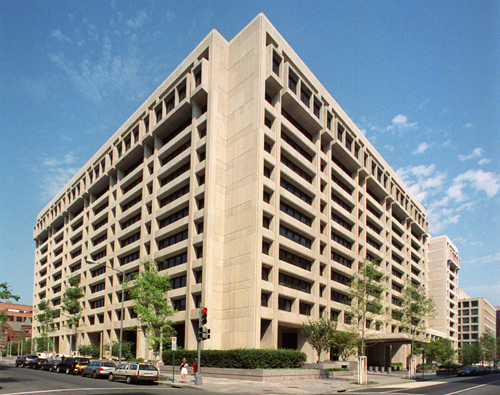
TDB Group President Admassu Tadesse spoke on the sidelines of the IMF World Bank Spring Meetings in Washington, where the most powerful national lenders and development banks met last week to discuss the state of global economies and lending.
Tadesse told Reuters the bank was “definitely now meeting the strict criteria” of a multilateral lender. “We expect to be recognised for who we are and what we are in the same way others are,” he said.
Institutions such as the International Monetary Fund, the World Bank and regional lenders such as the Inter-American Development Bank are widely accepted as multilaterals with the all-important “preferred creditor status” – lending at concessional rates and counting no commercial entities among their shareholders.
RULES NEVER FORMALLY ADOPTED
The rules around who qualifies have never been formally adopted, either by the IMF or the Paris Club of wealthy lender nations, which in practice determine who will take losses.
Some lenders, such as Afreximbank, count commercial banks among their shareholders and lend on terms that many consider non-concessional.
The issue of their status came to a head when Zambia and Ghana defaulted in 2020 and 2022 respectively, sparking a debate whether Afreximbank and TDB should take writedowns on their lending to the countries.
Afreximbank said it would not participate in restructurings, though it struck a deal with Ghana. Afrexim’s stance was at odds with the IMF and Paris Club welcoming the deal with Ghana after insisting the bank needed to take losses in the country.
The terms of the agreement were never officially disclosed.
Established in 1985, TDB has invested more than $35 billion across eastern and southern Africa, largely in trade finance and infrastructure, carving out a role as a multilateral lender willing to step in when private capital is unwilling.
After the United Nations’ 2015 call to mobilise institutional capital beyond scarce public funds, TDB allowed pension funds and sovereign wealth funds to join its shareholder base, Tadesse said. The IMF later published a paper defining multilaterals as institutions owned solely by sovereign shareholders.
The situation was complicated after Zambia’s finances deteriorated during the COVID-19 pandemic, prompting TDB to take “special measures” to give it extended terms for repayment on a trade loan, Tadesse said.
When Zambia subsequently began restructuring all external debts under the G20 Common Framework, TDB’s non-sovereign shareholders drew it into what Tadesse said was a second round of losses.
“What we had done was lost in translation, and we were asked to come in and restructure with others who had never restructured,” he said. “And we were a bit unhappy because it wasn’t fair.”
Since then, TDB held “tough conversations” with shareholders that were not strictly sovereign and “migrated them out”, Tadesse said.
Neither the Paris Club nor the IMF responded to requests for comment.
TDB counts 25 African governments among its members, alongside non‑African entities such as China’s central bank.
It is using hybrid capital to leverage lending to replace the non-sovereign shareholders who left, and its $10 billion balance sheet to co-finance projects that include Mozambique’s Coral South floating LNG project and Kenya’s Turkana Wind Power Project.