
• Contact Us
  • About Us
Sunday, April 5, 2026
  • Login
MetroBusinessNews
  • Home
  • Economy
  • Politics
  • News
  • Companies and Markets
  • Energy
  • Sports
  • Real Estate
No Result
View All Result
  • Home
  • Economy
  • Politics
  • News
  • Companies and Markets
  • Energy
  • Sports
  • Real Estate
No Result
View All Result
MetroBusinessNews
No Result
View All Result
ADVERTISEMENT
Home Energy

Sulphurous fuels flow to West Africa as states defer tougher rules

metro by metro
September 13, 2017
in Energy
0
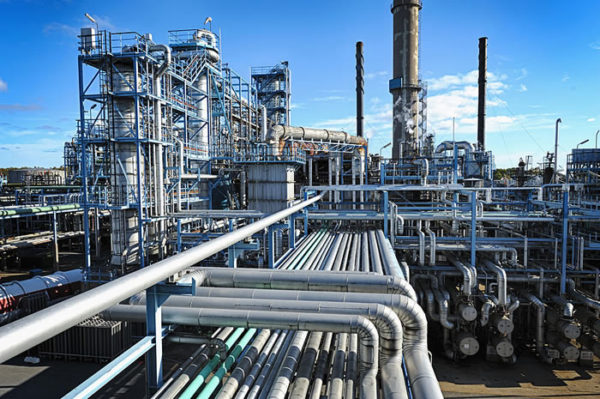
refinery
0
SHARES
0
VIEWS

Nigeria and several other West African states are not expected to implement rules banning imports of sulphur-heavy fuels until Dec. 1 at the earliest after missing summer deadlines, drawing the ire of health campaigners pushing for cleaner air.

Nigeria, Togo, Ivory Coast and Benin promised in late 2016 to ban the use of fuel packed with sulphur that is a major air pollutant, particularly in cities.

Read Also

Adelabu Denies Resigning As Nigeria’s Minister, Insists ‘Resolving power Supply Challenges My Priority For Now’

As Elections Draw Closer, FG Sets New Date For Power Generation Improvement

Late‑stage GAMCO Rollout Confirms Doubts Over Uninterrupted Power Pledge-Stakeholders

Such fuel has long been illegal in Western nations and is increasingly outlawed in the developing world. But deadlines for bans in the four West African states keep being pushed back.

Ghana is the only regional state that has delivered on a pledge and codified rules preventing the import or transport of high sulphur gasoline or diesel.

“The clean fuels lobby … declared victory a bit too soon,” said Energy Aspects analyst James McCullagh. “This is ultimately a complicated and sensitive decision about politics, the gasoline pump price cap, subsidies and investment in public health.”

Nigeria, the region’s biggest fuel consumer, missed a July 1 deadline and instead launched a task force to examine the issue. Nigeria produces oil but lacks refining capacity so has to import most oil products.

A Nigerian Environment Ministry official told Reuters the task force aimed to advise the government on a new standard by late September, with new rules possible by Dec. 1.

The United Nations Environment Programme (UNEP), which has joined health campaigners pressing for change, said smaller nations Togo and Benin were waiting for Nigeria to act, while Ivory Coast had not progressed at all.

The five nations had promised cleaner fuel rules under pressure from campaign group Public Eye, which criticized them and international trade houses for allowing cars, trucks and households to burn fuels banned in much of the rest of the world.

Ghana followed up by slashing sulphur content to 50 ppm for imported gasoline and diesel, from 1,000 ppm and 3,000 ppm.

Nigeria’s standards organisation, which writes import rules, proposed caps of 50 ppm for diesel and 150 ppm for gasoline. State oil firm NNPC included prices for them in contracts to swap oil for products – at a cost of at least $25 a tonne more.

But Nigeria did not codify the standards in law, or issue new specifications to importers.

“As it stands, the status quo remains,” one Nigerian fuels importer said, adding “nothing at all” had come from government.

 Campaigners are struggling to keep the issue on the public agenda. David Ugolor, a Nigeria-based campaigner who worked with Public Eye, said the cause lacked “someone with a strong political position” to implement the rules. He said the group was looking for ways to put pressure on suppliers.

NNPC contracts showed 150 ppm gasoline would cost anywhere from $20-$30 per tonne more than fuel with higher sulphur, while lower sulphur diesel would add just $10-$15 a tonne, McCullagh said. Because Nigerian gasoline prices are capped, the government would have to raise prices for consumers or shoulder the extra cost.

Given the higher cost of cleaner gasoline, campaigners said Nigeria might only introduce stricter rules for diesel.

“Gasoline is the most consumed product, so that wouldn’t necessarily solve the pollution problem,” said David Bleasdale, executive director of consultancy CITAC, saying Nigerian gasoline consumption was about 323,055 barrels per day (bpd) in 2016 compared with 71,657 bpd of distillates, such as diesel.


Tags: fuels
Previous Post

Terrorism, Stolen Funds Repatriation Top Nigeria’s Agenda At UN General Assembly

Next Post

NCS intercepts N1.4 bn contrabands in 8 months

Related Posts

Nigerians Thrown Into Darkness As National Grid Collapses For Seventh  Time In 2024 |
Energy

Adelabu Denies Resigning As Nigeria’s Minister, Insists ‘Resolving power Supply Challenges My Priority For Now’

March 31, 2026
Tinubu Swears-In Ministers Amid Slow Growth, Insecurity, Low Morale, Among Other Concerns
Energy

As Elections Draw Closer, FG Sets New Date For Power Generation Improvement

March 27, 2026
Tinubu Swears-In Ministers Amid Slow Growth, Insecurity, Low Morale, Among Other Concerns
Energy

Late‑stage GAMCO Rollout Confirms Doubts Over Uninterrupted Power Pledge-Stakeholders

March 10, 2026
Tinubu’s Government Orders Sale Of IBEDC, 4 Other Discos Within 90 Days
Energy

Tinubu Moves to Tackle Power, Grid, Transmission Challenges, Inaugurates Committee On GAMCO

March 6, 2026
Next Post

NCS intercepts N1.4 bn contrabands in 8 months

Amid Middle East War, Iran Set To  Participate In 2026 World Cup,  FIFA Boss Confirms

Amid Middle East War, Iran Set To  Participate In 2026 World Cup,  FIFA Boss Confirms

April 4, 2026
Downed Planes Raise New Perils For Trump As Tehran Hunts For Missing US Pilot 

Downed Planes Raise New Perils For Trump As Tehran Hunts For Missing US Pilot 

April 4, 2026
Capital Raising, Windfall Gains Put Banking Industry Under Scrutiny

Nigeria’s Recapitalised Banks In History- Making Era As Judiciary, Government Weigh In On Keystone, Polaris, Union

April 4, 2026
MetroBusinessNews

© 2022 Metro Business News

Navigate Site

  • Contact Us
  • About Us

Follow Us

Welcome Back!

Login to your account below

Forgotten Password?

Retrieve your password

Please enter your username or email address to reset your password.

Log In
No Result
View All Result
  • Home
  • Economy
  • Politics
  • News
  • Companies and Markets
  • Energy
  • Sports
  • Real Estate

© 2022 Metro Business News

Go to mobile version