

 FG has resolved to bring down the inflation rate to a single digit by 2020 and rates dip consecutively in four months.
The National Bureau of Statistics (NBS) in its Consumer Price Index (CPI) May 2017 report, released in Abuja on June 14, indicated that the country’s inflation dropped to 16.25 per cent in May from 17.24 per cent in April.
According to the report, this is the fourth consecutive decline in the rate of inflation since January.
The bureau stated that the headline index increased by 1.88 per cent in May 2017, 0.28 per cent points higher than the rate of 1.60 per cent recorded in April 2017.
However, the Minister of Budget and National Planning, Mr. Udoma Udu Udoma, expressed government’s commitment to further contain the inflation rate so as to make life more meaningful to the citizens.
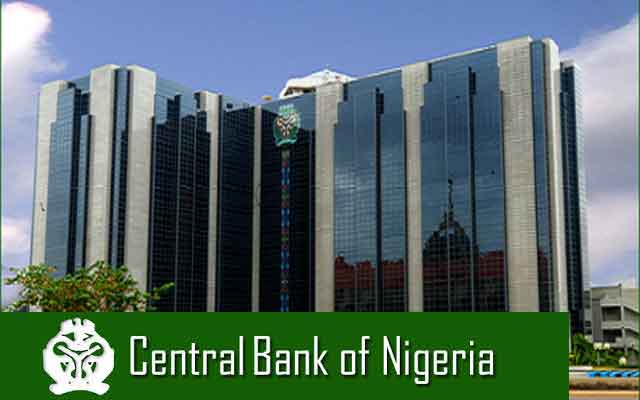
According to him, the Central Bank of Nigeria (CBN) is saddled with the responsibility of achieving the single digit inflation rate by 2020.
“We are targeting to bring the inflation to single digit by 2020 and it is the role of the CBN to do that,’’ he said.
The minister expressed optimism that the single digit inflation rate would be achieved in spite the allegations of policy inconsistencies being leveled against the CBN in some quarters.
He said: “I don’t think there are inconsistencies, you have different objectives and you have to balance, it’s a balancing thing, it’s not inconsistencies.’’
On plans to submit the 2018 budget to the National Assembly by October, the minister said government was determined to return to the January-December Budget Year cycle.
“We want to move back into a January-December budget year because even though the Act that the NASS passed and signed into law allows 12 months which means that this budget just signed has a 12-month lifespan, but it is not the best.
“People need to plan carefully with the January-December budget cycle.
“After the budget was passed, we engaged with the leadership of the NASS, the executive team led by the Acting President and we agreed that we will bring the 2018 budget by the beginning of October.
“This will enable them to work on it and possibly pass it before the end of December so that by January 2018 we can start implementing the budget,’’ he added.
Udoma also explained why the 2017 budgetary allocation to the nation’s agricultural sector was low when compared to other sectors of the economy.
According to him, agriculture is for the private sector and the government has no plan to take over the farms and factories from the farmers.
He specifically noted that the role of government was to provide the enabling environment for the farmers to succeed.
The minister said: “Agricultural production is for the private sector; we don’t want to take over that from the private sector; we don’t want to take over farms from the farmers.
“We want the farmers to produce; we don’t want to take over factories from their owners.
“What government does is to provide an enabling environment because government is not as efficient as the private sector ,when we say we want to support agriculture, it does not mean we are going to do it ourselves and what is required is to support agriculture.’’