
• Contact Us
  • About Us
Tuesday, September 1, 2026
  • Login
MetroBusinessNews
  • Home
  • Economy
  • Politics
  • News
  • Companies and Markets
  • Energy
  • Sports
  • Real Estate
No Result
View All Result
  • Home
  • Economy
  • Politics
  • News
  • Companies and Markets
  • Energy
  • Sports
  • Real Estate
No Result
View All Result
MetroBusinessNews
No Result
View All Result
ADVERTISEMENT
Home Economy

Nigeria oil governance bill aims to break up state oil company NNPC

metro by metro
May 26, 2017
in Economy
0
NNPC
0
SHARES
0
VIEWS

The long-awaited oil governance bill passed by Nigeria’s upper chamber of parliament proposes breaking up the state oil company into three commercial entities supported by a regulatory body and a fund to oversee the distribution of money.

The Petroleum Industry Governance Bill, passed on Thursday by the Senate, is part of planned reforms that make up the sprawling Petroleum Industry Bill (PIB), discussed for over a decade following several redrafts, aimed at revamping the OPEC member’s energy sector.

Read Also

Nigeria’s Inflation Falls To 15.43 As Worries On Food Prices Remain

ICPC Uncovers N24bn Ghost Workers Scandal, Official Puts 14 Family Members On Government Payroll

ECOWAS Targets $294bn Climate Finance Gap, Moves To Unlock West Africa’s Carbon Market

 The PIB is a central plank of President Muhammadu Buhari’s reform plans because oil sales provide 70 percent of government revenue in Africa’s biggest economy but the energy sector has been hobbled by mismanagement and endemic for decade.

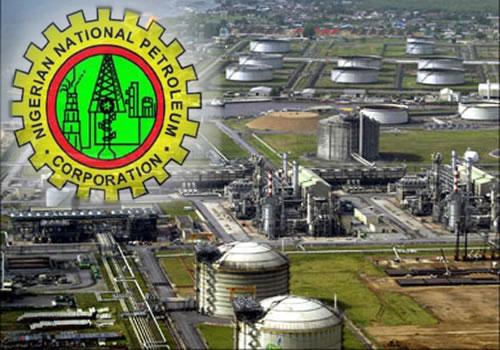
The governance bill – which must be passed by the lower chamber of parliament and receive the president’s approval before becoming law – deals with management of the Nigerian National Petroleum Corporation (NNPC), the powerful state oil company which critics say is opaque and retains too much power.

It is one of a number of expected bills under the overarching PIB and does not deal with aspects of most interest to oil companies, such as fiscal terms for upstream projects.

The 191-page document states that the objective is to “create efficient and effective governing institutions with clear and separate roles for the petroleum industry” while improving transparency and accountability.

The governance bill proposes the creation of three commercial entities – the Nigeria Petroleum Assets Management Company, National Petroleum Company and the Nigeria Petroleum Liability Management Company.

Assets and liabilities of NNPC would be split between the three companies.

And the bill opens up opportunities for private investment. It says not less than 10 percent of shares of the National Petroleum Company will be divested within five years or its creation, rising to 30 percent within a decade.

The Petroleum Equalisation Fund would be created to “ensure efficient distribution of petroleum products throughout the federation” and also “collect and provide funding for infrastructural development throughout the federation”.

And the Nigeria Petroleum Regulatory Commission would oversee compliance with the laws related to the petroleum industry, including the maintenance of environmental standards, and carry out evaluations of national reserves.

The regulatory body would also have the power to grant, amend, renew, extend or revoke any licence or lease required for petroleum exploration.

That power, in a previous version of the bill, lay with the petroleum minister but the governance bill passed by the Senate states that it transferred this to the Commission “to ensure separation of duties and provide for checks and balances”.

If the governance bill is passed by parliament’s lower chamber, the House of Representatives, it would require presidential approval to become law.

“The bill could still get hung up by political wrangling in the House,” said Josh Holland, an analyst from IHS Markit.

Buhari has been on medical leave in Britain since 7 May and has handed over power to his deputy, Yemi Osinbajo.

 

Previous Post

Nigerian govt. declares Monday public holiday

Next Post

Oversold: Oil traders punish OPEC for promising too much-Reuters

Related Posts

More Nigerians Go Hungry As Food Prices Soar beyond Average Consumers
Economy

Nigeria’s Inflation Falls To 15.43 As Worries On Food Prices Remain

August 17, 2026
ICPC Arrests NSCDC Deputy Commaandant Over Alleged N3bn Fraud
Economy

ICPC Uncovers N24bn Ghost Workers Scandal, Official Puts 14 Family Members On Government Payroll

August 13, 2026
Leadership Deficit And Political Crises Rocking ECOWAS Region
Economy

ECOWAS Targets $294bn Climate Finance Gap, Moves To Unlock West Africa’s Carbon Market

August 12, 2026
Debt Crisis Hits New Highs In Developing Nations, Relief Deal Needed, Says UN
Economy

Amid Rising Revenue FCT, Lagos, Rivers Aaccount For 43% Of Nigeria’s N4.52trn States’ Debt

August 10, 2026
Next Post
OPEC

Oversold: Oil traders punish OPEC for promising too much-Reuters

Rival Factions Stand Off In Niger Capital After Mutineers Attack Airport, Presidency

Rival Factions Stand Off In Niger Capital After Mutineers Attack Airport, Presidency

August 29, 2026
Attackers Target Niger’s Niamey Airport, Presidency Perimeter

Attackers Target Niger’s Niamey Airport, Presidency Perimeter

August 29, 2026
Concerns Over FG’s Approval Of Kogi’s Bid To Build International Airport In Zariagi

KOGI STATE @ 35 YEARS: THE JOURNEY SO FAR!

August 29, 2026
MetroBusinessNews

© 2022 Metro Business News

Navigate Site

  • Contact Us
  • About Us

Follow Us

Welcome Back!

Login to your account below

Forgotten Password?

Retrieve your password

Please enter your username or email address to reset your password.

Log In
No Result
View All Result
  • Home
  • Economy
  • Politics
  • News
  • Companies and Markets
  • Energy
  • Sports
  • Real Estate

© 2022 Metro Business News

Go to mobile version