

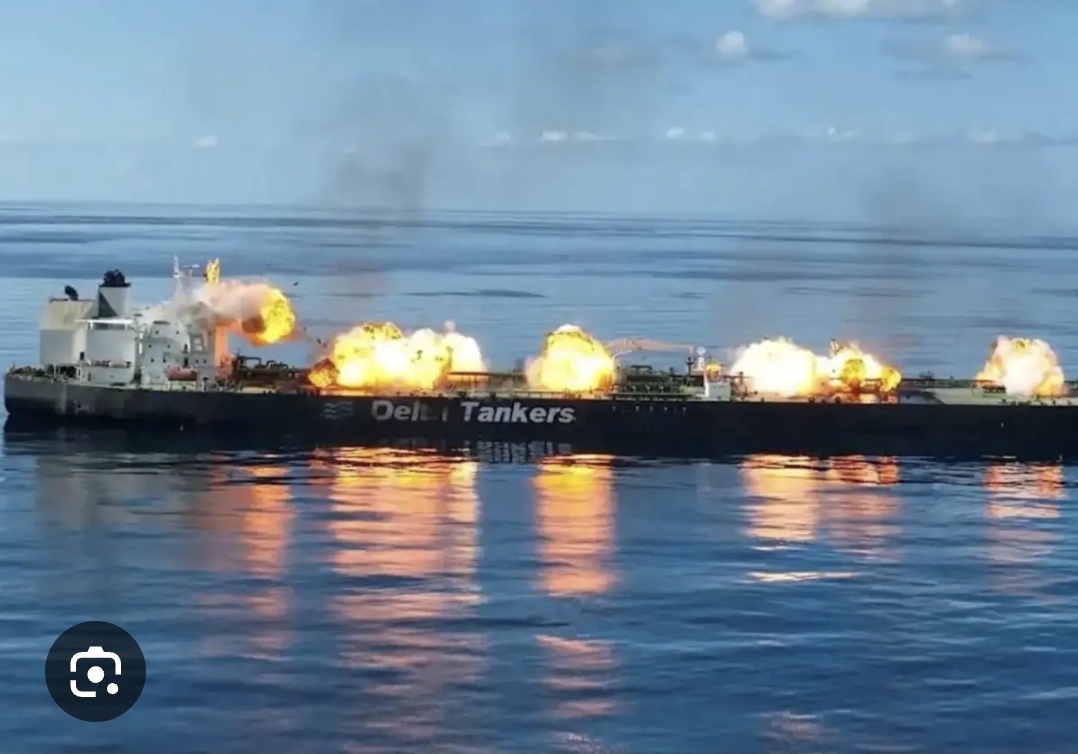
Shipping traffic through the Strait of Hormuz has fallen sharply ahead of the expiry of a 60-day ceasefire between the United States and Iran, with no formal negotiations or agreement in sight.
Only five cargo vessels passed through the strategic oil route on Saturday, according to Kpler data cited by Reuters, while no ships were recorded transiting the strait on Sunday. That compares with 31 vessels during the previous weekend.
The slowdown follows a three-month low recorded last week. A five-day average showed just 13 vessel transits on Tuesday, the lowest level since May 12, according to a CNBC analysis of Kpler data.
Overall, shipping through the Strait of Hormuz has declined by about 90 per cent since the war began on February 28.
The strait is one of the world’s most important energy corridors, carrying roughly a fifth of global oil supplies and typically recording about 130 vessel transits daily.
HSBC shipping expert Parash Jain told CNBC’s Squawk Box Europe on Monday that investors should recognise that “chaos is the norm” for the shipping industry and factor continued disruption into their base assumptions.
Despite the sharp decline in vessel traffic, oil prices edged lower on Monday. Brent crude futures fell 0.15 per cent to $88.45 a barrel, while US West Texas Intermediate crude declined 0.74 per cent to $81.79.
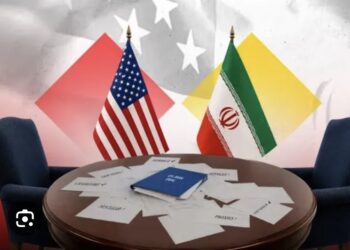
The shipping disruption comes as diplomatic efforts between Washington and Tehran remain stalled, with the fragile ceasefire due to expire on Monday.
Iranian Foreign Minister Seyed Abbas Araghchi said on Saturday that the two countries “do not have anything like a ceasefire”, according to quotes published by Iranian outlet Shahrara News.
“No negotiations have been held between the United States and us at this time… Qatar and Pakistan are exchanging messages between the parties and are in contact with us, but this does not mean negotiations,” Araghchi said.
The future of the Strait of Hormuz has also become a point of heightened tension between the two countries.
US President Donald Trump said last week that “pretty soon I’ll be declaring the Hormuz Strait a territory of the United States.”
Iran, however, has rejected any such claim. Deputy Foreign Minister Kazem Gharibabadi said on X on Friday that the strait would remain “Iranian” and could only be closed or reopened “under Iran’s command.”
With the ceasefire deadline approaching and diplomatic contacts yet to produce formal negotiations, uncertainty over the vital shipping corridor continues to weigh on global energy and maritime markets