
• Contact Us
  • About Us
Friday, November 27, 2026
  • Login
MetroBusinessNews
  • Home
  • Economy
  • Politics
  • News
  • Companies and Markets
  • Energy
  • Sports
  • Real Estate
No Result
View All Result
  • Home
  • Economy
  • Politics
  • News
  • Companies and Markets
  • Energy
  • Sports
  • Real Estate
No Result
View All Result
MetroBusinessNews
No Result
View All Result
ADVERTISEMENT
Home Economy

Non-Performing Loans of Nigerian banks increase by 15.6% in 2017

metro by metro
October 31, 2018
in Economy
0
0
SHARES
0
VIEWS

AMCONThe level of Non-Performing Loans (NPLs) assets in the Nigeria banking sector increased by 15.6 per cent in 2017, the News Agency of Nigeria (NAN) reports.

Mr Collins Azikem, Head, Legal Services, M &A Capital Ltd., made the assertion on Wednesday at the GTI Group Finance and Investment Dialogue in Lagos.

Read Also

Three Years, Three Missed Budgets As Tinubu’s Fiscal Calendar Collapses Again, Misses September Deadline for 2027

72 Kobo Of Every N1: DMO Warns Debt Service Will Swallow 71.7% Of Revenue By 2030, Analysts Worry Over Shrinking Fiscal Space

Nigeria’s External Debt Hits $145bn As Servicing Burden Rises-World Bank

Speaking on the topic: “Investor Protection, Bad Loans and AMCON Intervention,’’ Azikem said that the increment was a big concern and loss to the banking sector.

He said that NPLs were bad loans, usually money borrowed upon which the debtor had not made the scheduled payments.

According to him, the effects of the NPLs on banks are that it grossly weakens their capital adequacy ratios and has also resulted to the liquidation and untimely collapse of most banks in Nigeria.

“The huge provisions for bad loans are making a number of banks to have little or nothing left in terms of earnings.

“The International Monetary Fund (IMF) in its reports on Nigeria in March 2018 indicated that NPLs of the banking sector have risen to 15.6 per cent as at Oct. 2017.

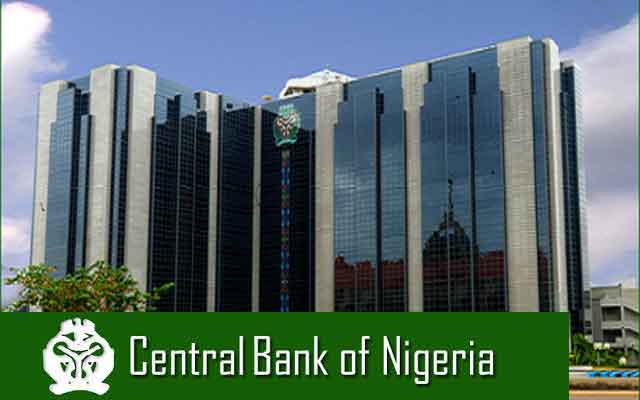
“Going by the IMF’s report, some Nigerian banks are kept afloat through continuous recourse to the Central Bank of Nigeria’s lending facilities as NPLs have increased from five per cent of total loans in June, 2015, to 15.6 per cent in Oct. 2017.

“This is an alarming 200 per cent increase,’’ Azikem said.

He, however, said that Asset Management Corporation of Nigeria (AMCON) was set up in 2010, with the mandate as a key stabilising tool to reviving the financial system for the purpose of efficiently resolving the NPLs of banks in Nigeria.

Azikem suggested that AMCON should adopt the Plain Vanilla Securitisation, the Synthetic Securitisation and Transfer of the Assets mechanism in resolving the NPLs problems for effective operation of the banking sector.

According to him, the synthetic securitisation approach allows AMCON to buy assets/NPLs of the banks and sell it to the investors after a specific period of time.

“For those of us who followed the Sky Bank story to date, can we confidently say the regulators have their acts right,’’ he asked.

Earlier, Mr Abubakar Lawal, the General Managing Director, GTI Group, stressed the need for proper regulation of operations in the banking sector for efficient service delivery.

Lawal assured commitment of the group to continuously enrich the public and operators in the industry with the latest trends in banking sector.

According to him, information is key, a well-informed economy stands the opportunity to explore, develop and enhance its economic growth.


Tags: AMCON
Previous Post

Expert calls on INEC to introduce e-voting in major elections

Next Post

Minimum wage: BSG calls for amicable resolution to avert industrial unrest

Related Posts

FG Intensifies Moves To Avert Looming Inflation Protests Amid Hide & Seek Game In Week Of Decision
Economy

Three Years, Three Missed Budgets As Tinubu’s Fiscal Calendar Collapses Again, Misses September Deadline for 2027

November 26, 2026
Nigeria’s Public Debt Increased By N530Bn In Q3 2023, Rose To N87.9Trn
Economy

72 Kobo Of Every N1: DMO Warns Debt Service Will Swallow 71.7% Of Revenue By 2030, Analysts Worry Over Shrinking Fiscal Space

November 10, 2026
World Bank
Economy

Nigeria’s External Debt Hits $145bn As Servicing Burden Rises-World Bank

November 6, 2026
CBN
Economy

CBN Research Links Budget Deficits To Naira Depreciation, Rising Interest Rate

November 6, 2026
Next Post
Muhammadu Buhari

Minimum wage: BSG calls for amicable resolution to avert industrial unrest

Banking watchdogs Ramp Up AI Scrutiny As Stability Fears Mount

BoE Sees Growing Financial Risks As AI Borrowing Surges

November 27, 2026
Binance CEO Declares ‘Binance Nigeria Limited Scam Entity’

North Korean Launderers Turn To Little-known Crypto Services To Move Binance Haul, Say Researchers

November 27, 2026
Anxiety As NRS, JRB Introduce Mandatory Registration For Crypto Operatiors, Set November 30 Deadline

Crypto Unit Zodia Custody Hit By Security Breach, Some Client Data Exposed

November 27, 2026
MetroBusinessNews

© 2022 Metro Business News

Navigate Site

  • Contact Us
  • About Us

Follow Us

Welcome Back!

Login to your account below

Forgotten Password?

Retrieve your password

Please enter your username or email address to reset your password.

Log In
No Result
View All Result
  • Home
  • Economy
  • Politics
  • News
  • Companies and Markets
  • Energy
  • Sports
  • Real Estate

© 2022 Metro Business News

Go to mobile version