

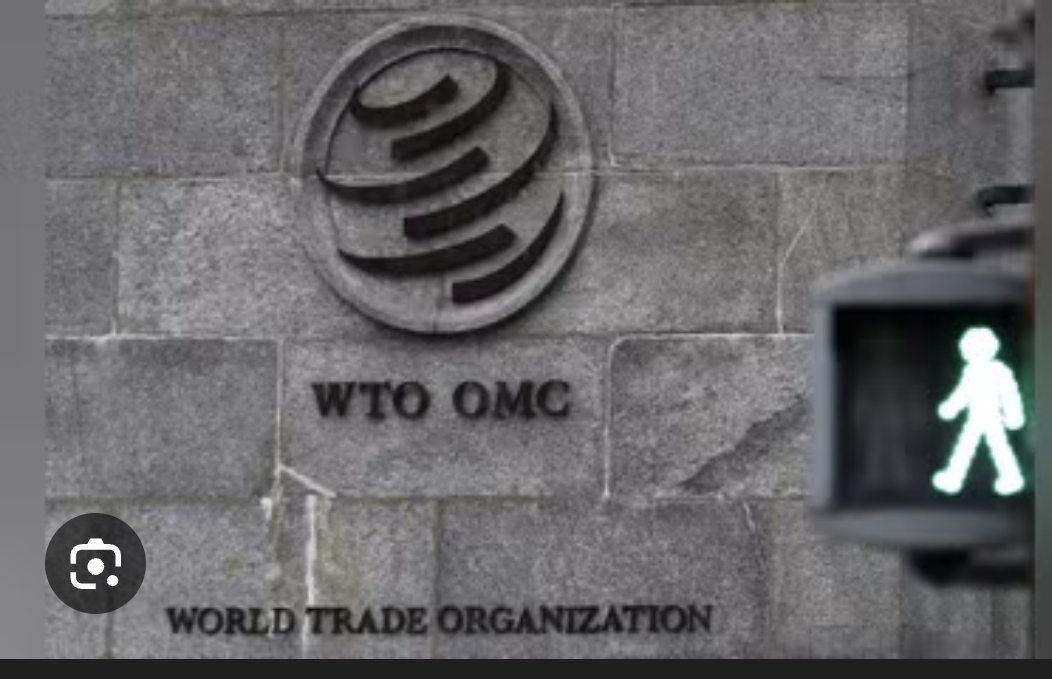
World Trade Organization talks ended deadlocked early on Monday as Brazil blocked a bid by the U.S. and other countries to extend a moratorium on customs duties for electronic transmissions, dealing a fresh blow to the embattled trade body.
WTO Director-General Ngozi Okonjo-Iweala said the e-commerce moratorium had expired, meaning countries could apply duties on electronic goods such as digital downloads and streaming.
But she said the WTO hoped to be able to restore the moratorium and that Brazil and the U.S. were trying to reach agreement on it.
“They need more time and we didn’t have the time here,” she said.
Expectations had been low going into the meeting, but failure to even agree an extension to the e-commerce moratorium was a serious setback to the WTO, which has been struggling to remain relevant as countries increasingly work around it.
The marathon talks at the meeting in Cameroon did make progress on drafting a plan for broader reform of the organisation, though agreements are still pending.
WTO talks would continue in Geneva, said the conference chair, Cameroon Trade Minister Luc Magloire Mbarga Atangana. They are expected to be in May, WTO officials said.
Failure to reach a collective decision in Yaounde was a “major setback for global trade,” said Britain’s Business and Trade Secretary Peter Kyle.
The talks were seen as a test for the WTO’s relevance after a year of trade turmoil and major disruptions due to the Iran war.
But ministers could not agree to extend the moratorium more than two years following objections from Brazil, diplomats said.
U.S. WANTED PERMANENT EXTENSION
Diplomats worked throughout Sunday to close the gap between Brazil, which had originally sought a two-year extension, and the U.S., which wanted a permanent one, by drafting a proposal for a four-year extension with a one-year sunset buffer, concluding in 2031.
Brazil later proposed a four-year extension, with a review clause halfway through, but that was not supported, diplomats told Reuters.
Developing countries have opposed a lengthy extension, arguing that the moratorium denies them potential tax revenue that they could invest back into their countries.
A U.S. official said Brazil had opposed a “near-consensus document”, adding: “It’s not U.S. vs Brazil. It’s Brazil and Turkey v 164 members.”
Meanwhile a Brazilian diplomat said “the U.S. wanted the sky,” and that Brazil wanted to be prudent in renewing the moratorium by only two years as in previous ministerial conferences, given rapid changes to digital trade.
Another diplomat present said that U.S. Trade Representative Jamieson Greer made delegates “uncomfortable” as he suggested there “would be consequences,” if the U.S. did not get a long-term moratorium extension.
Business leaders lamented the outcome of the talks, with International Chamber of Commerce Secretary General John Denton saying it was “particularly concerning at a time of real strain on the global economy.”
John Bescec, Microsoft’s director of customs and trade affairs, said: “Business was expecting more certainty and predictability … Instead, we got the exact opposite.”
Getting a deal on the e-commerce moratorium was seen as key to securing support for the WTO from the U.S., which under President Donald Trump has retreated from global multilateral institutions.
DRAFT REFORM PLAN EMERGING
A draft of a reform roadmap, seen by Reuters, that provided a timeline for progress and sets out the key issues to address was close to being agreed in Cameroon, diplomats said, before the talks ran out of time.
Discussions will continue in Geneva on improving decision-making in a consensus-based system that has long been stymied by a few countries, and the trade benefits extended to developing countries.
The reform debate comes amid efforts to rework WTO rules to render subsidy use more transparent and make decision-making easier.
The U.S. and European Union argue China in particular has taken advantage of current rules to their detriment.