

Nigerians will no longer be able to submit or have applications for permanent residency and citizenship processed under greencards, naturalization, among others for the United States of America, (USA).
Reasons: The government has expanded its travel restrictions on Nigeria, specifically, suspending the processing of legal immigration applications, including green cards, naturalization, and other permanent residency pathways.
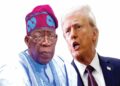
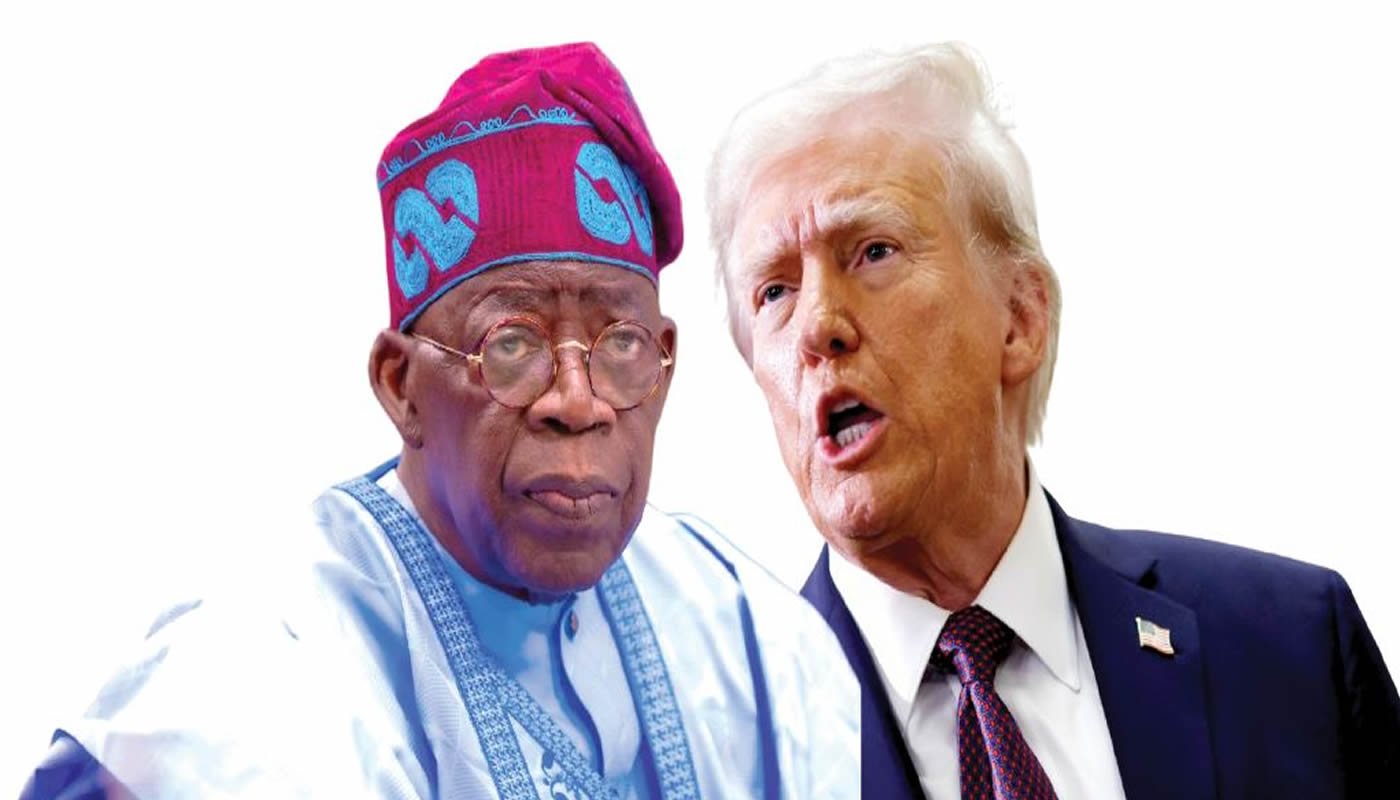
According to a report by CBS News, the US Citizenship and Immigration Services (USCIS) is implementing the suspension in line with a recent proclamation by President Donald Trump, which initially imposed partial travel restrictions on several developing countries, including Nigeria.
The earlier measures restricted entry for nationals applying for B-1, B-2, B-1/B-2, F, M, and J visas. However, the new directive goes further by halting access to long-term immigration benefits.
READ ALSO:Amid Brewing Backlash, Trump Set To Expand Immigration Crackdown In 2026
A USCIS official was quoted as saying the agency is “conducting a comprehensive review of anyone from anywhere who poses a threat to the United States, including those identified in the President’s latest proclamation.”
The suspension also affects several other countries, including Burkina Faso, Mali, Niger, South Sudan, Syria, Angola, Antigua and Barbuda, Benin, Côte d’Ivoire, Dominica, Gabon, Gambia, Malawi, Mauritania, Senegal, Tanzania, Tonga, Zambia, and Zimbabwe.
US authorities said the decision was based on national security considerations.
According to the US government, a “general lack of stability and government control” in the affected countries makes it difficult to properly vet applicants or assess potential security risks.
“The limitations are necessary to ensure the safety of the American people and the integrity of our immigration system,” a US official said.
Although the Nigerian government has yet to issue an official response to the expanded restrictions, the Bola Tinubu administration has previously stated its willingness to work with the United States to address concerns related to immigration procedures and security cooperation.
The new policy is expected to significantly affect thousands of Nigerians seeking permanent residency, citizenship, or long-term legal status in the United States.