

Striving for health and wellness amid basic challenges
CAPE TOWN, South Africa, 29 May 2024 -/African Media Agency(AMA)/- The future of female youth within Sub-Saharan Africa (SSA) holds immense potential but faces significant challenges within the realm of sexual reproductive health such as with basic menstrual health hygiene.
Many countries across the world have shifted focus to broader aspects of female health and wellness, with intimate care, pain management, eco-conscious and innovative menstruation products gaining popularity and mainstream appeal as part of a larger self-care regime. #PeriodTok videos have more than 2.8 billion TikTok views, as of January 2024 which shows a significant move away from stigmas surrounding menstruation, with some countries providing free sanitary products in schools and public spaces while empowering young women through education and leadership opportunities, ensuring they have the tools to succeed in all facets of life.
However, the reality for many SSA youth is vastly different. According to UNESCO, one in ten girls in Sub-Saharan Africa miss school during their menstrual cycle due to a lack of access to sanitary products and adequate sanitary facilities. This absence can accumulate, causing girls to fall behind academically and, in some cases, to drop out altogether.
In Kenya, 65% of women and girls cannot afford sanitary pads. As a result, risky sexual behaviours like transactional sex for pads become a concern majorly driven by period poverty. The burden is evident with the rising number of new HIV infections, teenage pregnancies, school absenteeism and school dropout rates among the same age group.
Progress through innovative problem-solving and concerted efforts
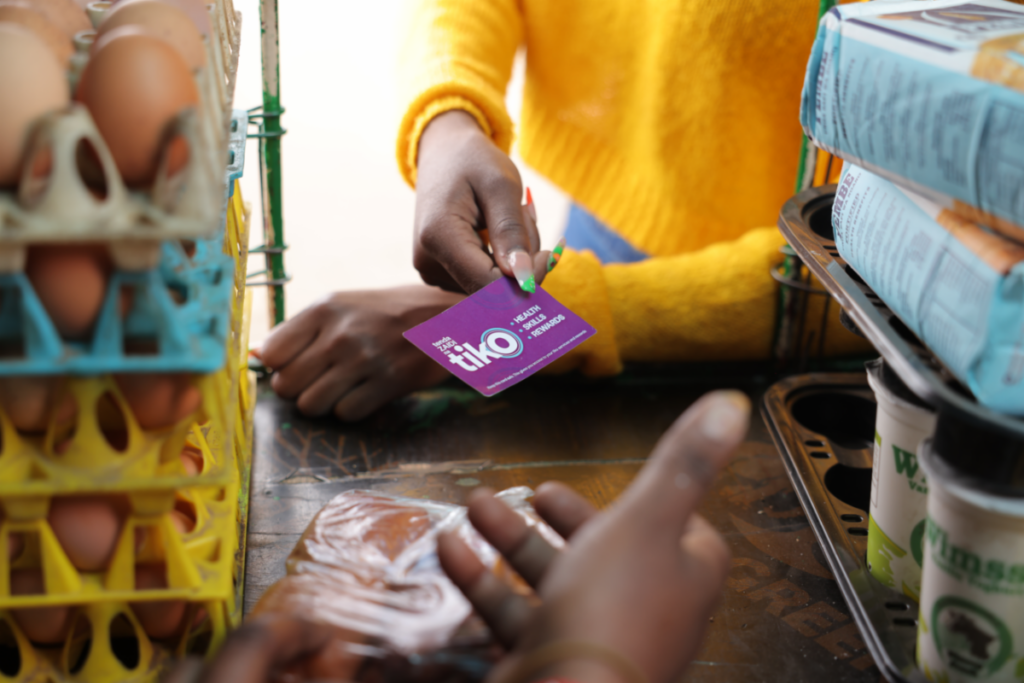
Despite these challenges, there are concerted efforts underway aimed at improving the situation. Non-profit organisation, Tiko has launched a user-centred menstrual health initiative, that utilises its digital platform and AI powered image recognition to verify distribution to existing local shops which provide access to free pads among adolescent girls (15-19).
Knowing that the stigma surrounding menstruation exacerbates the problem, Tiko also partnered with Zana Africa to launch 2-day life skills boot camps for 10-14-year-olds to equip adolescent girls in Kenya with the tools they need to safely navigate puberty and unlock their potential.
“Our goal was for the adolescents to leave the camps equipped with a good understanding of what puberty is and what can be expected. It is important that they feel mentally and physically ready for their menstrual cycles as well as understand what to expect, what menstrual products are available and how to use them. The initiative also creates a strong network of friends and support that will continue long after the camps are complete,” says Marylou Kupfer, Strategy and Innovation Director, Tiko Africa.
Bridging the Gap
To bridge the gap between the advanced wellness initiatives seen in some parts of the world and the basic needs still unmet in many parts of SSA there needs to be increased investment that prioritises funding for not only menstrual health products but education. Community-based education programs are crucial for raising awareness about menstrual health to avoid stigmas and help prepare young girls for puberty in a way that contributes to sustainable support and lasting change.
“Through our discovery pilots which were set in motion in April 2024, we have also seen a real need for access to trusted and age appropriate sexual and reproductive health and rights information, and a huge lack of preparation for many young girl’s first period. Moving forward we plan to use insights from this pilot to scale our efforts nationally and improve our machine learning model,” says Kupfer.
“We know that beyond menstrual health, initiatives should aim to provide comprehensive health education, including better sexual and reproductive health services, mental health support, and more broadly livelihoods and skill building for young women which is something that we’ve been placing a lot of importance on at Tiko,” adds Kuper.
The future of female youth in SSA is reliant on addressing the basic yet critical need for menstrual health management and better sexual reproductive health services, which can only be achieved by supporting young women and girls with the tools they need to manage their health and well-being, on their terms, in an environment where young women thrive.
Distributed by African Media Agency (AMA) on behalf of Tiko.
For media inquiries, please contact:
FleishmanHillard on behalf of Tiko
About Tiko
Tiko is an established, next-generation African non-profit that delivers sexual reproductive health services through smart technologies and partner networks to break through the barriers to access sexual health services, with verifiable results. Tiko’s purpose is to enable youth to do more with their lives by choosing where, when, and how they meet their sexual reproductive health needs. With its Tiko platform, it delivers sexual reproductive health services through a network of stigma-free, reputable healthcare facilities, pharmacies, and community-based organisations. Investing in partners that deliver results, at no cost to users. Creating sources of revenue in the communities we operate, encourages a long-term cycle of health and wellness that lead to better outcomes. Its fit-for-purpose technology enables real-time data, keeping them agile and accountable, with the confidence that their partnerships and investments are measurably making a difference, differently.
Visit www.tikoafrica.org for more.
The post Current Realities and the Future of Menstrual Hygiene for Youth in Sub-Saharan Africa appeared first on African Media Agency.