
• Contact Us
  • About Us
Friday, February 13, 2026
  • Login
MetroBusinessNews
  • Home
  • Economy
  • Politics
  • News
  • Companies and Markets
  • Energy
  • Sports
  • Real Estate
No Result
View All Result
  • Home
  • Economy
  • Politics
  • News
  • Companies and Markets
  • Energy
  • Sports
  • Real Estate
No Result
View All Result
MetroBusinessNews
No Result
View All Result
ADVERTISEMENT
Home News

Nigeria’s poverty rate rising despite recession exit –W’Bank

metro by metro
May 3, 2018
in News
0
World Bank
0
SHARES
0
VIEWS

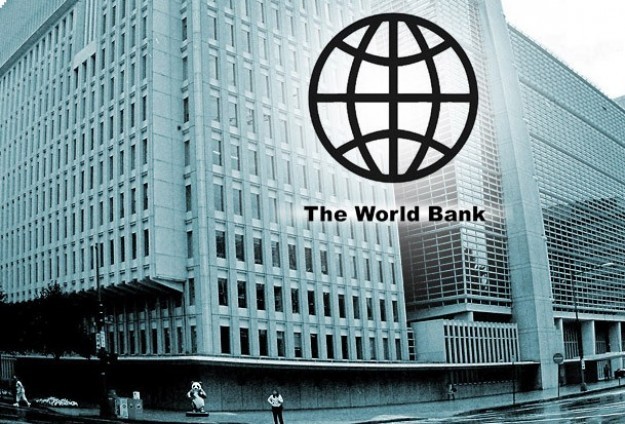
World BankThe World Bank says unemployment and poverty rates increased in Nigeria despite an exit from recession in 2017.

The Bretton Wood institution made these remarks in a report released on this week.
The report titled, “Nigeria Bi-annual Economic Update: Fragile Recovery,” read: “The decline in the non-oil and non-agriculture sectors, however, continued as aggregate demand remained weak and private sector credit low.

Read Also

US House Passes Bill To Require Proof Of US citizenship For Midterm Voters

NNPP  Rejects US’ Move To Blacklist Kwankwaso, Alleges Hypocrisy 

EFCC Witness Accuses Banks Of Causing Scarcity Of 2022 Redesigned Naira Notes Through Hoarding

“The rates of unemployment and underemployment increased in 2017 and poverty is estimated to have increased slightly. Gross Domestic Product (GDP) growth in 2018 is expected to hover just over 2 per cent, largely oil sector-driven.

“Nigeria has a big home market, which is constrained by limited connective infrastructure, thereby reducing producers and firms’ ability to reach wider markets.”
The World Bank suggested that policymakers at federal and state levels identify interventions that are best suited to realise development potential of sub-national regions and integrate domestic markets.

“Policymakers may want to focus on investments that reinforce clusters and economies of scale and optimise the connectivity between rural areas and the major urban markets,” the report says.

“Policy makers must also address structural and land management issues in major urban nodes and along major growth corridors to remove or alleviate barriers that undermine the growth potential.”
In March, the International Monetary Fund (IMF) said the country needed urgent and coherent policies because Nigerians were getting poorer.

Tags: Nigeria’s poverty rateWorld Bank
Previous Post

LCCI tasks NSE on cheap funds for real sector

Next Post

Dino on a stretcher at the kogi state Magistrate court lokoja

Related Posts

News

US House Passes Bill To Require Proof Of US citizenship For Midterm Voters

February 12, 2026
No Defection Talks With APC, Kwankwaso Camp Insists
News

NNPP  Rejects US’ Move To Blacklist Kwankwaso, Alleges Hypocrisy 

February 12, 2026
EFCC Bans Sting Operations At Night
News

EFCC Witness Accuses Banks Of Causing Scarcity Of 2022 Redesigned Naira Notes Through Hoarding

February 11, 2026
Nigerians Overstaying Visa Risk Serious Sanctions, US Warns, Says “No Honest Mistakes”
News

Oil Set For First Weekly Decline In Seven Weeks Ahead Of US-Iran Talks 

February 6, 2026
Next Post

Dino on a stretcher at the kogi state Magistrate court lokoja

New era of climate cooperation can deliver stability in an unstable world: UN Climate Change Executive Secretary

February 12, 2026
FTS: Concerns Over Kogi ‘Budget Paradox’ Amid Rising Enviromental, Social Risks

FTS:Apprehension In Kogi Communities As Armed Herdsmen Attack Residents, LGAs Impose Curfew

February 12, 2026

Sage Intacct Introduces Intelligent AI-driven Automation for mid-sized businesses in Kenya

February 12, 2026
MetroBusinessNews

© 2022 Metro Business News

Navigate Site

  • Contact Us
  • About Us

Follow Us

Welcome Back!

Login to your account below

Forgotten Password?

Retrieve your password

Please enter your username or email address to reset your password.

Log In
No Result
View All Result
  • Home
  • Economy
  • Politics
  • News
  • Companies and Markets
  • Energy
  • Sports
  • Real Estate

© 2022 Metro Business News

Go to mobile version