
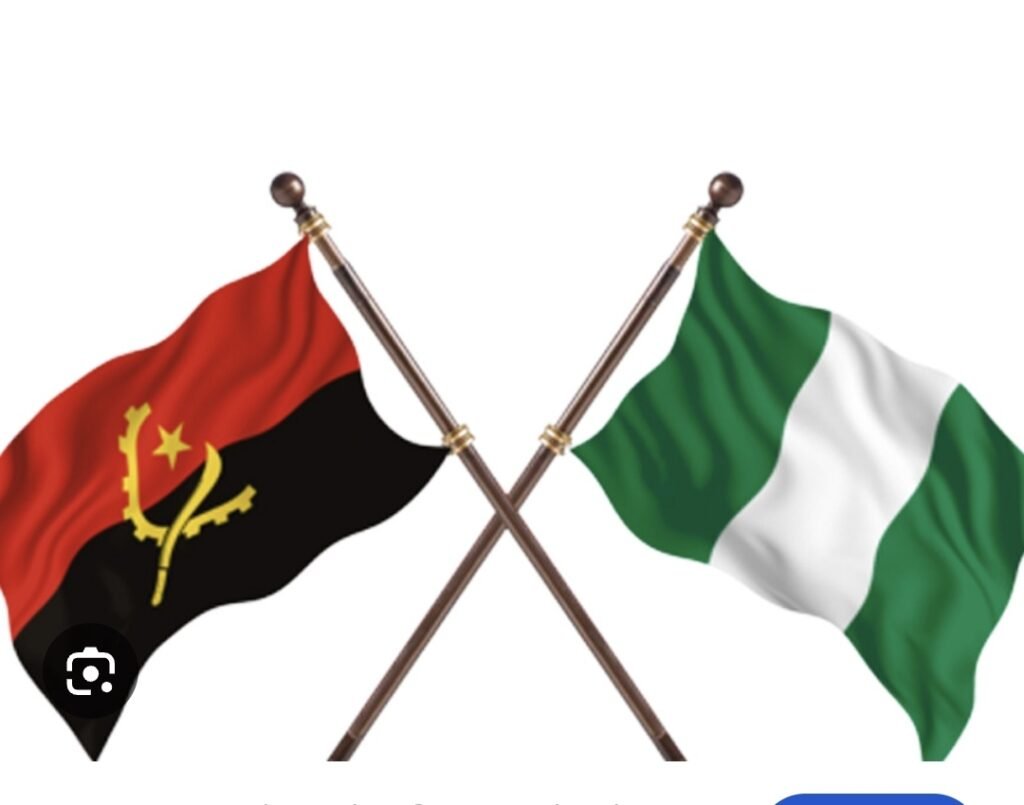
Southern Africa oil producer, Angola has benefitted big from Middle East crisis windfall, resulting in an ease in inflation to 8.78% and boosting growth to 6.15%, while Nigeria, Africa’s most populous nation, and one of the leading economies, battles 15.39% inflation and N1,500 petrol per litre pump price
Angola’s central bank cut its key lending rate by 100 basis points (bps) on Tuesday, its third reduction in a row after inflation fell to single digits for the first time in more than a decade.
Angola’s economy has benefited from high global energy prices linked to the Iran war.
However, in Nigeria, Africa’s most populous nation and one of the largest economies, with over 230 million people has yet to declare the Windfalls that should have resulted in policy shift as well as some palliatives to reduce high cost of living, thereby alleviating the sufferings of the people and businesses.
The central bank left its rate at a painful 27.5 percent, as inflation remains stuck at 15.39 percent despite the same oil price windfall from the Middle East crisis that is lifting Angola
Nigeria’s current readings as at today, September 15, 3026 are, Inflation at 15.39% in August; Monetary Policy Rate (MPR ) at 27.5%; Food inflation at 19.57%.
These developments have made the Central Bank, (CBN) to have maintained “No cut since tightening ended.”
READ ALSO:Double-whammy: Good News On Inflation, Bad News On Petrol
According to MF World Economic Outlook Oct 2025 / Jan 2026 revision,
Nigeria is ranked as Africa’s third largest economy with a projected GDP of $334 billion, behind South Africa at $443 billion and Egypt at $399 billion.
In 2025 it was 4th behind Algeria. The IMF projects 4.4% growth for Nigeria in 2026, making it one of the top 10 contributors to global growth.
Nigeria, Africa’s largest market, is currently undergoing major economic reforms aimed at reaching a $1 trillion economy by 2030.
But, specifically, the Bank of Angola lowered its policy rate to 14.75% from 15.75%, following cuts of 125 bps in July and 50 bps in May.
Inflation in the Southern African oil producer eased to 8.78% year-on-year in August from 9.33% in July. It was last in single digits in 2015.
The central bank maintained its year-end inflation forecast at 8.6% but sharply raised this year’s economic growth forecast to 6.15% from a projection of 3.6% in July, citing a stronger performance in both oil and non-oil sectors.
Interestingly, Angola’s economy has benefited from high global energy prices linked to the Iran war.
The International Monetary Fund has urged policymakers to channel oil revenue windfalls into debt reduction and building fiscal buffers.
Finance Minister Vera Daves de Sousa told Reuters last week the government was likely to raise its 2027 oil price assumption from the $61 per barrel in this year’s budget, though it would retain a conservative forecasting approach.
Liandra da Silva, a Nedbank economist, said while Angola’s status as an oil exporter offered some protection from external shocks, persistent increases in shipping costs and imported input prices could still drive some imported inflationary pressures.