
Oil prices were little changed on Friday, but were on track for a second weekly rise as the stalemated U.S.-Iran war continues to disrupt supply from the key Middle East producing region.
Brent crude futures rose 4 cents to $93.82 a barrel by 0142 GMT, after climbing 2.4% in the previous session. U.S. West Texas Intermediate crude futures slipped 6 cents to $86.78 a barrel, after climbing 2.3% in the prior session.
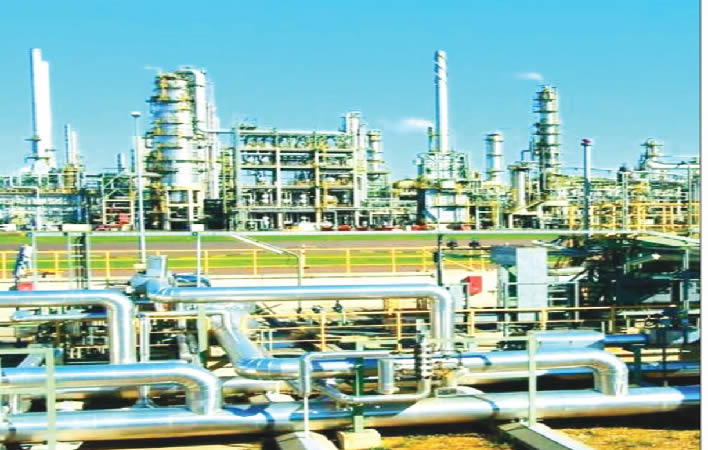
As at Thursday, Nigeria’s Dangote Refinery had increased the price of Automotive Gas Oil, AGO, otherwise known as diesel, at its gantry nationwide as crude oil prices continued to rise as a consequence of the war.
READ ALSO:Bessent Says US To Impose ‘Toughest’ Ever Sanctions On Iran, Urges China To Cooperate
Metrobusinessnews.com, (MBN) gathered that the refinery raised its AGO price to N1,670 per litre from N1,570.
This means that the 700,000-barrel-per-day refinery increased its diesel price by N100 per litre, or 6.4 per cent, although the refinery has yet to confirm the latest diesel price hike as of the time of reporting.
Specifically, oil prices were little changed on Friday, but were on track for a second weekly rise as the stalemated U.S.-Iran war continues to disrupt supply from the key Middle East producing region.
Brent crude futures rose 4 cents to $93.82 a barrel by 0142 GMT, after climbing 2.4% in the previous session. U.S. West Texas Intermediate crude futures slipped 6 cents to $86.78 a barrel, after climbing 2.3% in the prior session.
During the previous five days of gains, Brent gained more than 7% and WTI climbed more than 8%, reaching their highest since July 24.
Prices have climbed on concerns the inconclusive state of the U.S.-Israeli war on Iran will mean the continued curtailment of supply from major oil producers such as Saudi Arabia, Iraq, the UAE and Kuwait.
The earlier peace deal between them expired this week with no effort by either side to restart talks and U.S. President Donald Trump threatened economic retaliation against nations supporting Iran.
“Both sides are dug in but lacking the luxury of time to play the waiting game, against a backdrop of crude prices grinding unerringly higher,” IG analyst Tony Sycamore said on Friday.
On Wednesday evening, Trump threatened “economic warfare and isolation on an unprecedented scale” against Tehran, warning of consequences for any country that provided “any type of lifeline to Iran”.
This week, the United Arab Emirates suspended all financial and economic transactions with Iran until further notice, highlighting the fraught ties between the major Gulf Arab oil producer and Tehran.
Thousands of people have been killed in the Iran war, which began on February 28 when the U.S. and Israel launched military strikes on Iran. Since then, Tehran’s blockade of the Strait of Hormuz and Iranian attacks on energy facilities across the Middle East have disrupted global oil and gas flows.
Shipping traffic through the Strait of Hormuz on Wednesday was unchanged from the day before with nine vessel transiting the waterway, far below pre-war levels. Prior to the Iran war, shipments equal to about one-fifth of global consumption moved through the waterway.