
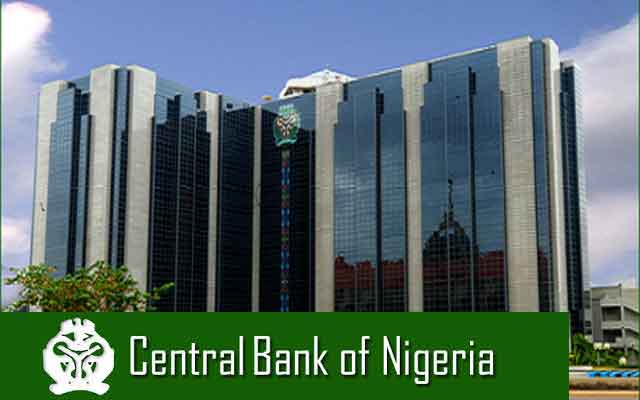
Escalating tensions in the Middle East, persistent rise in food inflation, the need to contain inflation, and support for macroeconomic stability have been cited as compelling reasons for the Central Bank of Nigeria(CBN) to continue with its hawkish stance and maintain the status quo at its Monetary Policy Committee(MPC) meeting beginning Monday, July 20, 2026.
Key economic think tanks including
Financial Derivatives Company (FDC) the Chartered Institute of Bankers of Nigeria ( CIBN) and other analysts project that the benchmark rate will remain at 26.5%, arguing that cooling inflation and stabilizing the naira will take precedence over growth concerns amid global headwinds.
In the FDC’s Commodity Update for July 16, Bismarck Rewane, it’s chief executive says that Nigeria’s headline inflation eased slightly to 15.91% in June from 15.93% in May, due to U.S.-Iran truce effect. Meanwhile, food inflation rose to 17.52% from 16.96% in May, driven by supply-chain disruptions. The CBN is therefore expected to hold rates unchanged at its July 21 MPC meeting.
With the current development of the breakdown of the earlier understanding signed by US and Iran, resulting in strikes and killings, analysts say the development may have presented a compelling reasons for the CBN to maintain status quo
Similarly, the Chartered Institute of Bankers of Nigeria has projected that CBN will retain its benchmark interest rate when the Committee concludes its 306th meeting.
CIBN President and Chairman of Council, Dr Dele Alabi, made the projection in an interview with the News Agency of Nigeria on Saturday in Lagos.
The CBN had held the MPR at 26.5% at its last meeting, as part of ongoing efforts to contain inflation and support macroeconomic stability.
But Alabi said the CIBN’s expectation of a hold is grounded in the CBN’s inflation-targeting framework and recent economic data, neither of which provides a compelling case for a rate move in either direction at this point.
READ ALSO:Iran Hits Gulf States, Jordan After Seventh Night Of US Strikes
“I expect the MPC to keep the interest rate constant and monitor developments over the next couple of months before considering any adjustment,” he said.
He added that retaining the current policy stance would allow the apex bank to assess evolving inflationary pressures and broader economic conditions before making further adjustments.
He said the approach would enable the CBN to make more informed decisions by allowing more time to observe how current macroeconomic trends develop before introducing any changes to its monetary policy stance.
In a separate interview, Professor Akpan Ekpo, an economist and former MPC member, also advised the committee to hold the policy rate, pointing to global uncertainties as a reason for caution.
According to Ekpo, the tensions involving the United States and Iran has started impacting on oil prices, with the attendant inflationary pressures in Nigeria, but argued such developments were likely to be temporary and should not warrant an increase in interest rates.
He urged the MPC to maintain the current policy rate while closely monitoring both domestic and global economic developments before making any further moves.
Beyond monetary policy, Ekpo advised the Federal Government to increase investment in productive sectors to strengthen economic growth and improve overall stability, and urged policymakers to consider recommendations from the Manufacturers Association of Nigeria to support production and sustain economic expansion.
At the end of its 305th Monetary Policy Committee (MPC) meeting on May 20, CBN retained the Monetary Policy Rate (MPR) at 26.5%, extending its pause after implementing a 50-basis-point rate cut in February.
The committee also left the Cash Reserve Ratio (CRR) unchanged at 45% for commercial banks and 16% for merchant banks. In addition, it retained the Standing Facilities Corridor at +50/-450 basis points around the MPR and kept the CRR on non-TSA public sector deposits at 75%.