
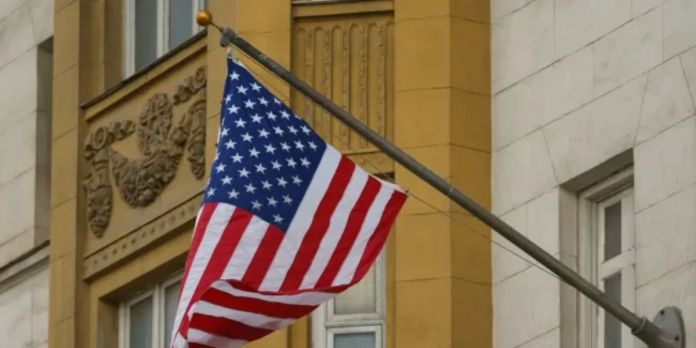
The United States embassy in Nigeria has assured that all visas issued before January 1, 2026, will remain valid, amid concerns following new travel restrictions affecting the country.
Nigeria was among 15 mostly African nations, including Angola, Benin, Côte d’Ivoire, Gabon, and The Gambia, placed under partial travel suspensions by the U.S. government on December 16. The move cited the presence of radical Islamic terrorist groups such as Boko Haram and the Islamic State in parts of Nigeria, which create “substantial screening and vetting difficulties.”
The US also highlighted overstay rates on Nigerian visas as a factor, reporting 5.56 percent on B-1/B-2 visas and 11.90 percent on F, M, and J visas. The suspension affects both immigrant and non-immigrant visa categories, including B-1, B-2, B-1/B-2, F, M, and J visas, commonly used by Nigerians.
B visas are for temporary business (B-1) or tourism (B-2) visits, F and M visas are for academic and vocational students, and J visas cover exchange visitors. The travel restrictions will take effect on January 1, 2026.
In a Monday statement, the embassy clarified that the proclamation does not affect certain groups, including immigrant visas for ethnic and religious minorities facing persecution in Iran, dual nationals with passports from unaffected countries, special immigrant visas (SIVs) for US government employees, participants in major sporting events, and lawful permanent residents (LPRs).
The restrictions apply only to foreign nationals who are outside the US on the effective date and do not hold a valid visa at that time. “No visas issued before January 1, 2026, at 12:01 a.m. EST, have been or will be revoked pursuant to the Proclamation,” the embassy confirmed.
Visa applicants subject to the proclamation may still apply and schedule interviews, though they could be ineligible for visa issuance or admission to the United States.